The Black Templars don’t have a Master of Sanctity. The Blood Angels’ Reclusiarch is technically called High Chaplain. The Dark Angels run an entire chaplaincy branch whose only purpose is to interrogate and execute their own missing brothers. The Ultramarines have a senior chaplain who got the Codex Astartes amended because of his vendetta against one xenos species. Every chapter you can name fields chaplains in black armour and skull helms. WarCom dropped a “Chaplains Through the Ages” retrospective today and didn’t really get into any of that.
The retrospective is tied to the new Jump Pack Chaplain coming with the Armageddon box in June. It’s a model history piece. White Dwarf Issue 108 in late 1988, the 1994 redesign that codified the skull mask, the third edition expansion to Terminator and Bike chaplains, the Indomitus reset, the new jump pack model. The lore underneath that timeline is the Lorgar invention most chaplain content focuses on. That’s a model history. The job changes by chapter.
Cassius and the Codex
Ortan Cassius is the Master of Sanctity of the Ultramarines. The senior chaplain of the most by-the-book chapter in the Adeptus Astartes. His specific job, on paper, is to enforce orthodoxy in the chapter that wrote the rulebook.
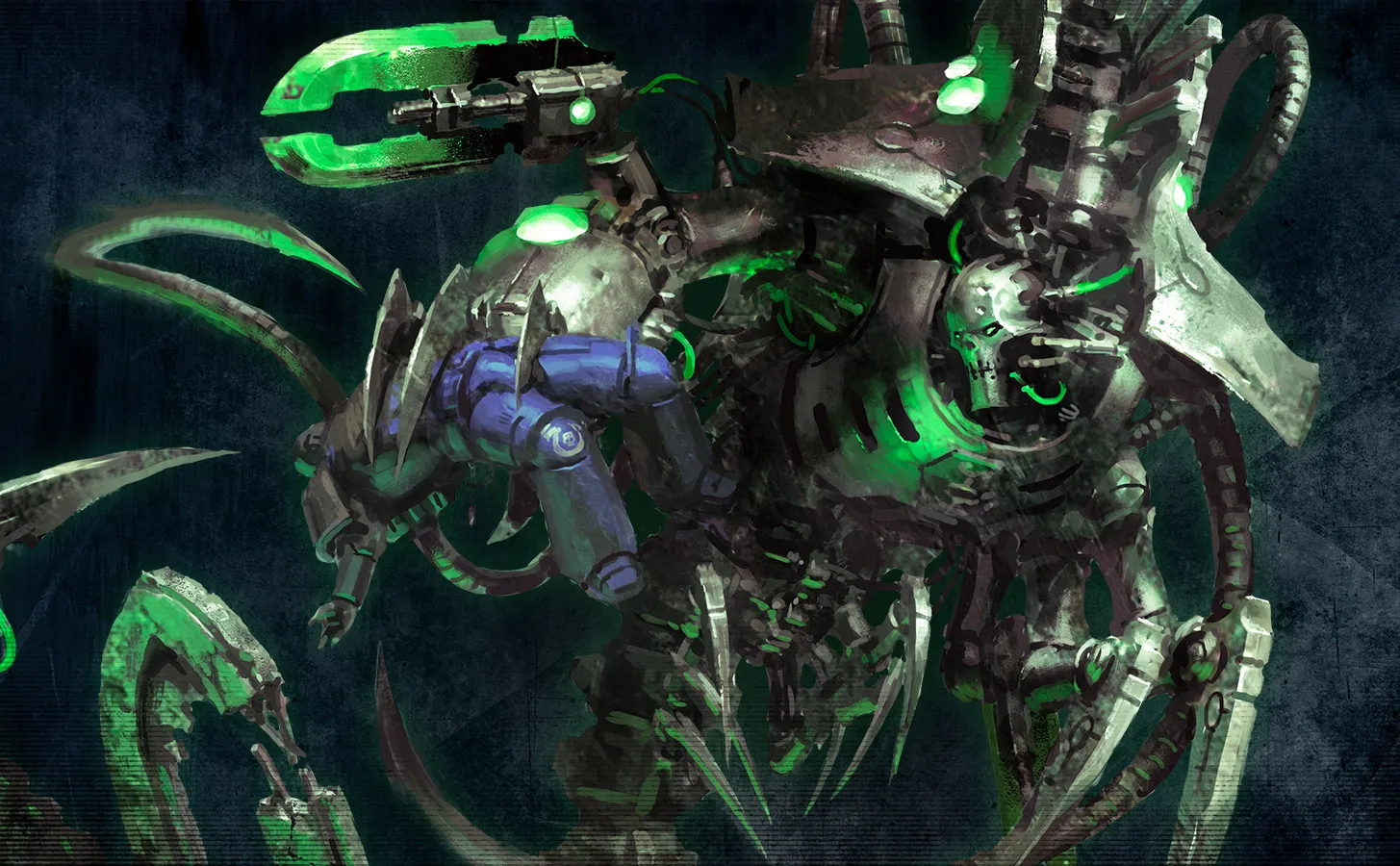
He survived the First Tyrannic War. Took a Carnifex mauling that should have killed him, willed himself back together while the Apothecaries patched up the parts of him that were still patchable, and emerged with a personal vendetta against Tyranids that nothing in the rest of his life has been able to dial down. At nearly four hundred years old he is the oldest member of the Ultramarines outside the Dreadnoughts.
His crozius arcanum is cast in the shape of a Tyranid skull. Read that line again. The Master of Sanctity of the Ultramarines, a chapter that uses skull iconography to commemorate the Emperor’s sacrifice, walks around with a skull-shaped crozius modelled after a different species entirely.
Cassius petitioned Marneus Calgar for a unit that wasn’t in the Codex Astartes. Tyrannic War Veterans, formed from the most experienced survivors of the Battle of Macragge and the wars that came after, kept around specifically to fight Hive Fleets. Calgar said yes. The Tyrannic War Veterans have been a chapter unit ever since, sitting outside any official Codex listing.
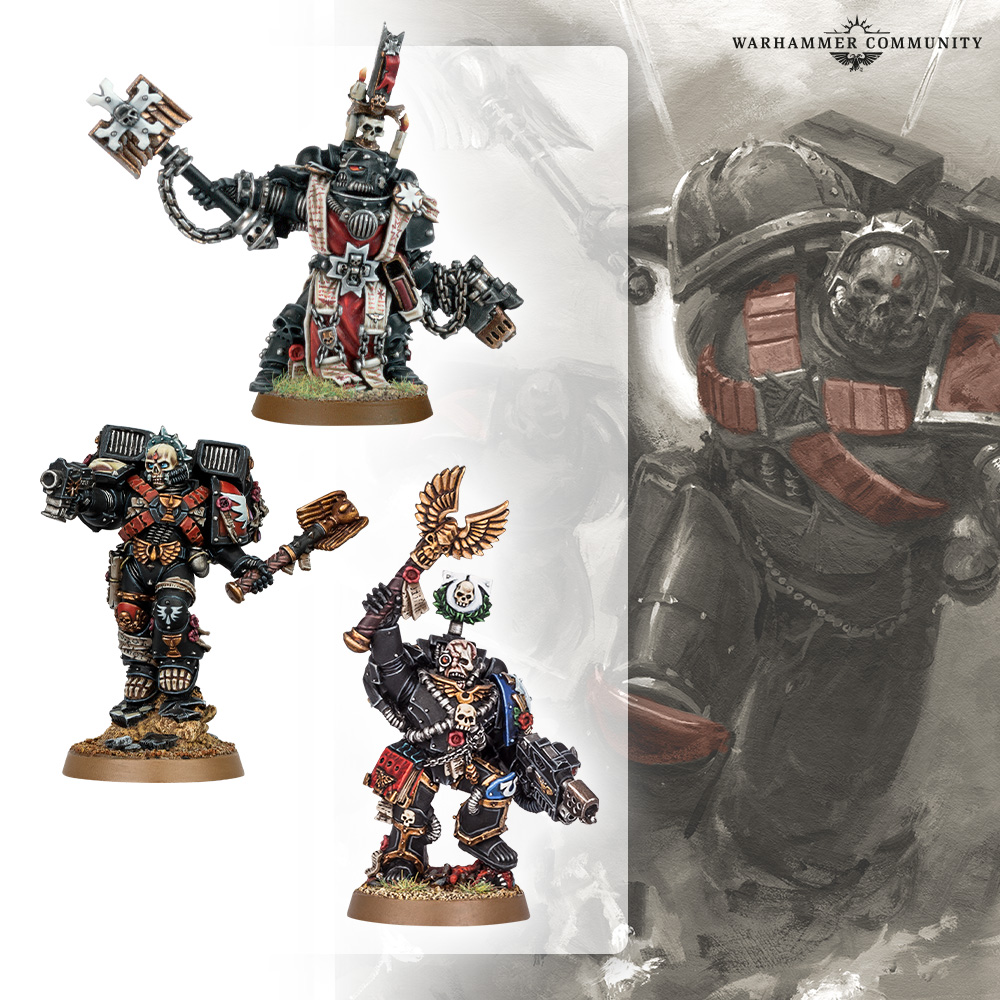
Lemartes Should Be Dead
Lemartes is a Blood Angels chaplain who has the Black Rage. He fell to it on Hadriath XI before a campaign against orks, woke up in the field Apothecarion afterwards, and managed to plead his case to High Chaplain Astorath the Grim before the executioner’s axe came down. By the chapter’s own rules, that conversation should have ended with Lemartes’ head separated from his body. Astorath’s entire job description is putting the Black Rage afflicted out of their misery cleanly, before the rage takes them.
Astorath put the axe down. He gave Lemartes the Blood Crozius, the chapter’s oldest crozius arcanum, said to have been carried by the very first High Chaplain of the Blood Angels. Then he put Lemartes in charge of the Death Company. The chapter has run with that decision ever since.
This is the bit that gets me about the Blood Angels. Whole chapter is full of these workarounds. Astorath is the Redeemer. He’s the chapter’s executioner of last resort, walks the field after a battle releasing brothers from the rage by mercy-killing them. And his big institutional contribution to Lemartes was deciding that Lemartes was the exception, on what reads as essentially gut feel. I’d want to say more about Astorath as a character but he’s a whole article on his own…
So yeah. The Blood Angels have a chaplain who succumbed to the worst affliction in Astartes history, who stays present enough between battles to hold a conversation, and who leads the rest of the afflicted in their charges. He’s been doing it for centuries.
Grimaldus Doesn’t Do Codex
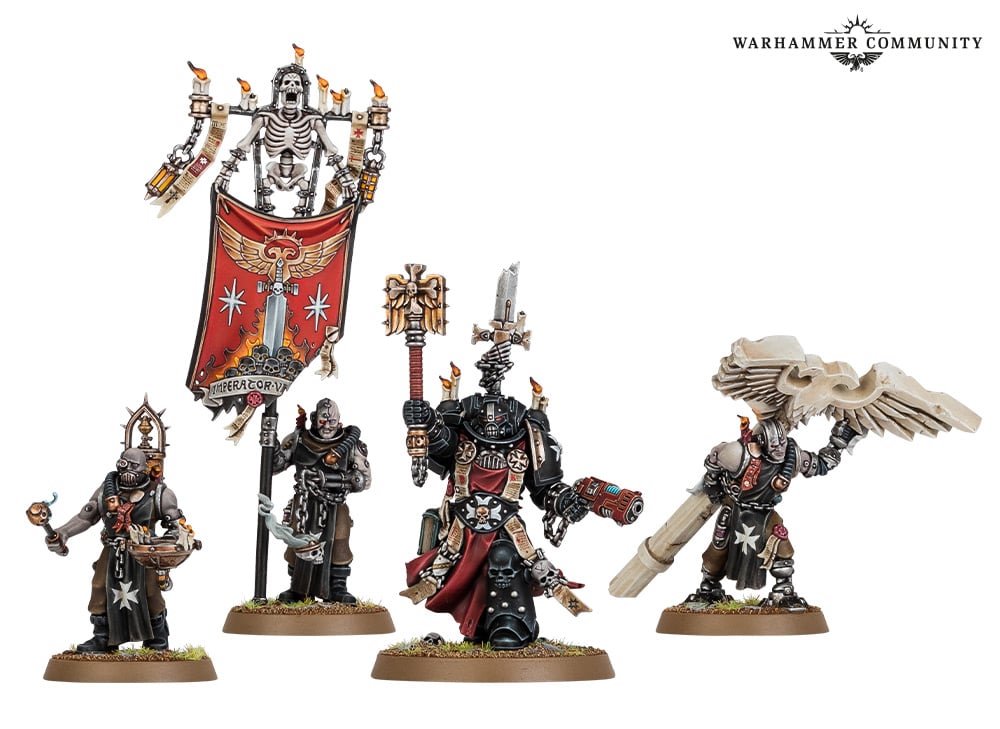
Merek Grimaldus is the Reclusiarch of the Black Templars. The Black Templars have no fortress monastery on a single homeworld. They have a permanent crusade spread across an unknown number of crusade fleets. The standard ten-company structure isn’t there. Sword Brethren and Initiates and Neophytes exist in numbers that no Codex chapter would tolerate.
The title “Reclusiarch” in a Codex chapter means the senior chaplain of the chapter, equivalent in function to a Master of Sanctity. In the Black Templars it operates more like a battlefield rank. Grimaldus carries an artificer crozius and a plasma pistol, and his loadout reads closer to a captain’s than a Reclusiarch’s in most other chapters.
What he did at Helsreach was hold the Temple of the Emperor Ascendant against an Ork horde during the Third War for Armageddon. For months. The defenders kept falling back through the temple as the horde pressed in, and the building eventually collapsed onto them. Grimaldus came out alive. His three Cenobyte Servitors now travel with him carrying surviving relics from the temple: a broken aquila statue, the founding charter of Helsreach, and an orb containing the temple’s last holy water.
I read Helsreach by Aaron Dembski-Bowden in paperback at some point in 2017. Picked it up at a Waterstones on impulse, finished it on the train back to my parents’ place over Christmas. The book is older than my eldest kid by a few years and still gets recommended on the lore subreddits weekly. It’s the one that made me actually understand why Black Templars play and read the way they do. Grimaldus is what their senior chaplain ends up looking like in practice.
Asmodai and the Fallen
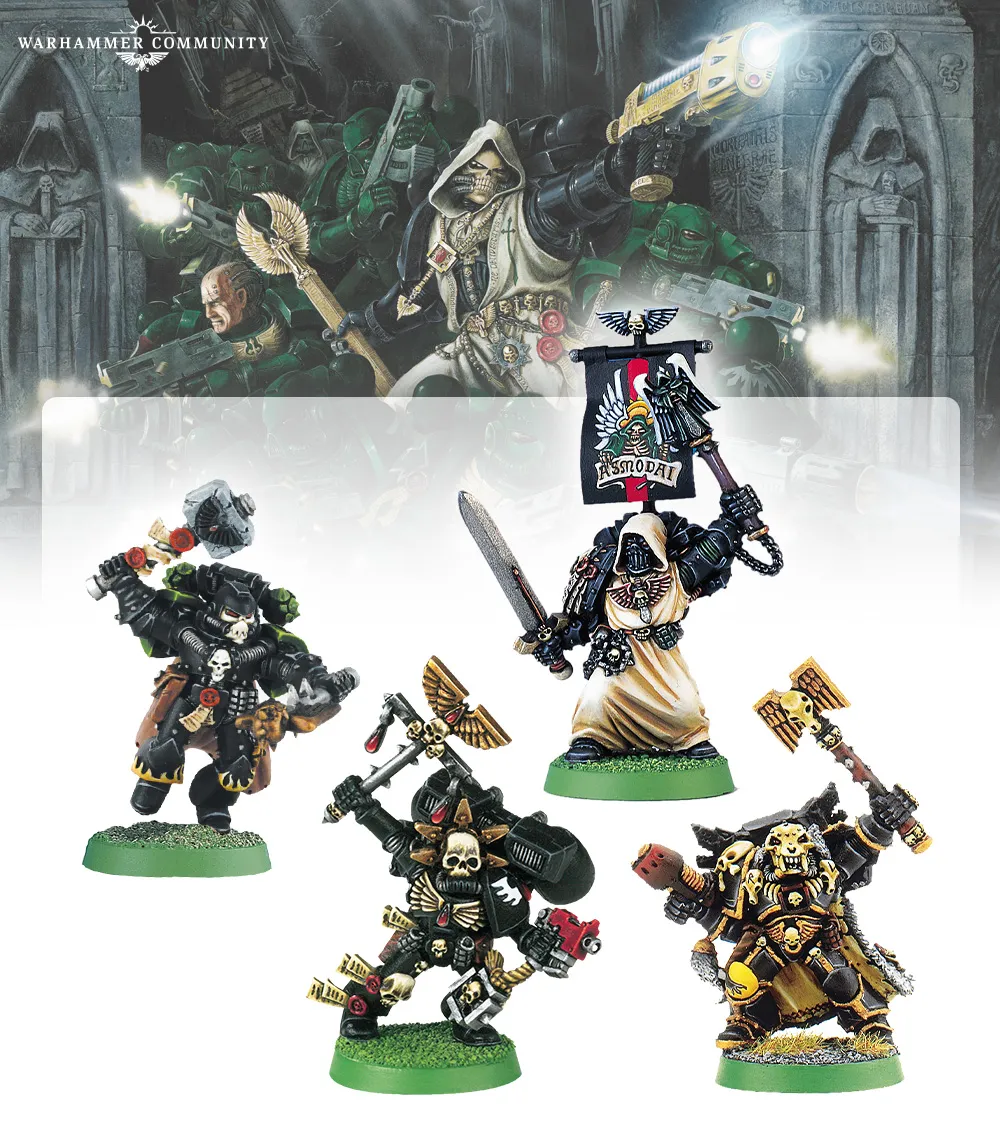
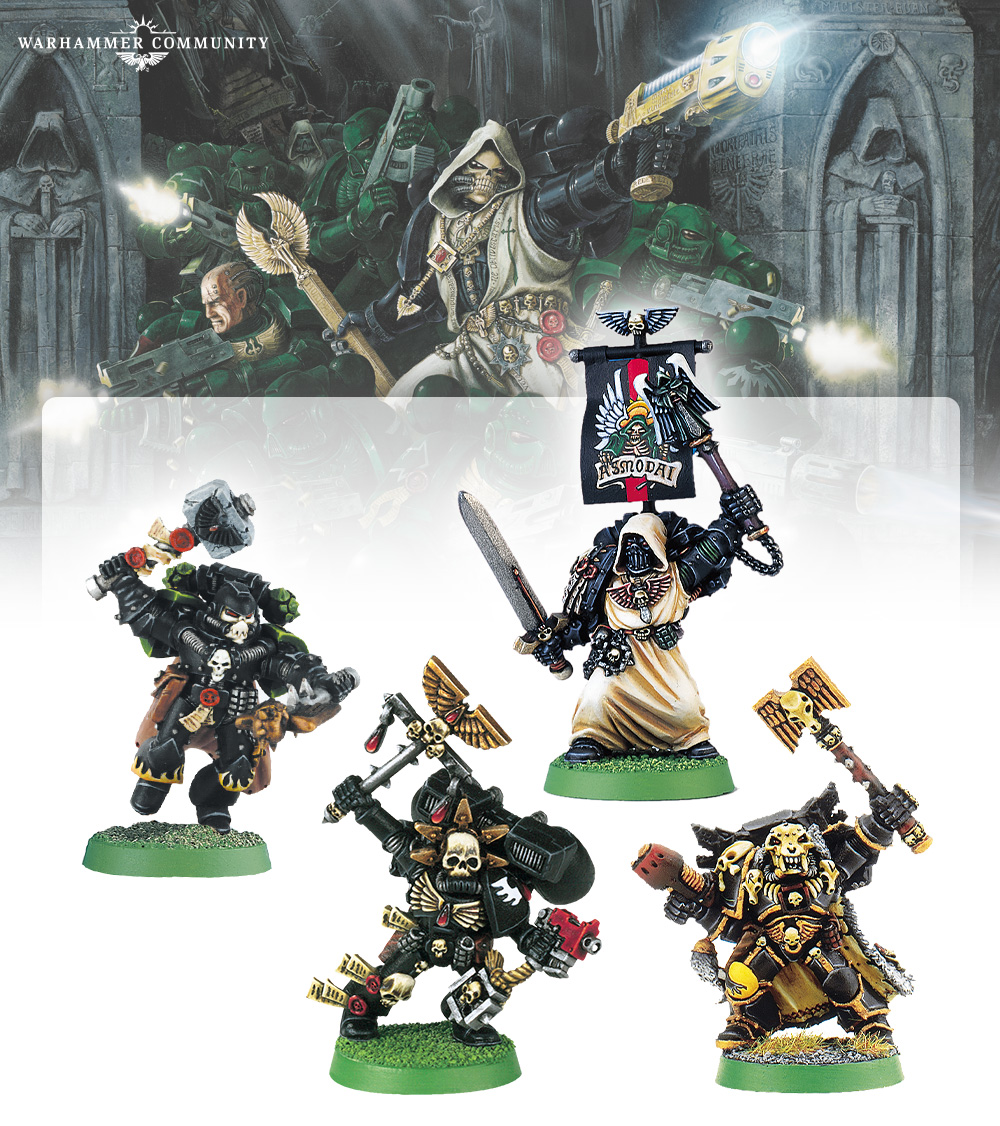
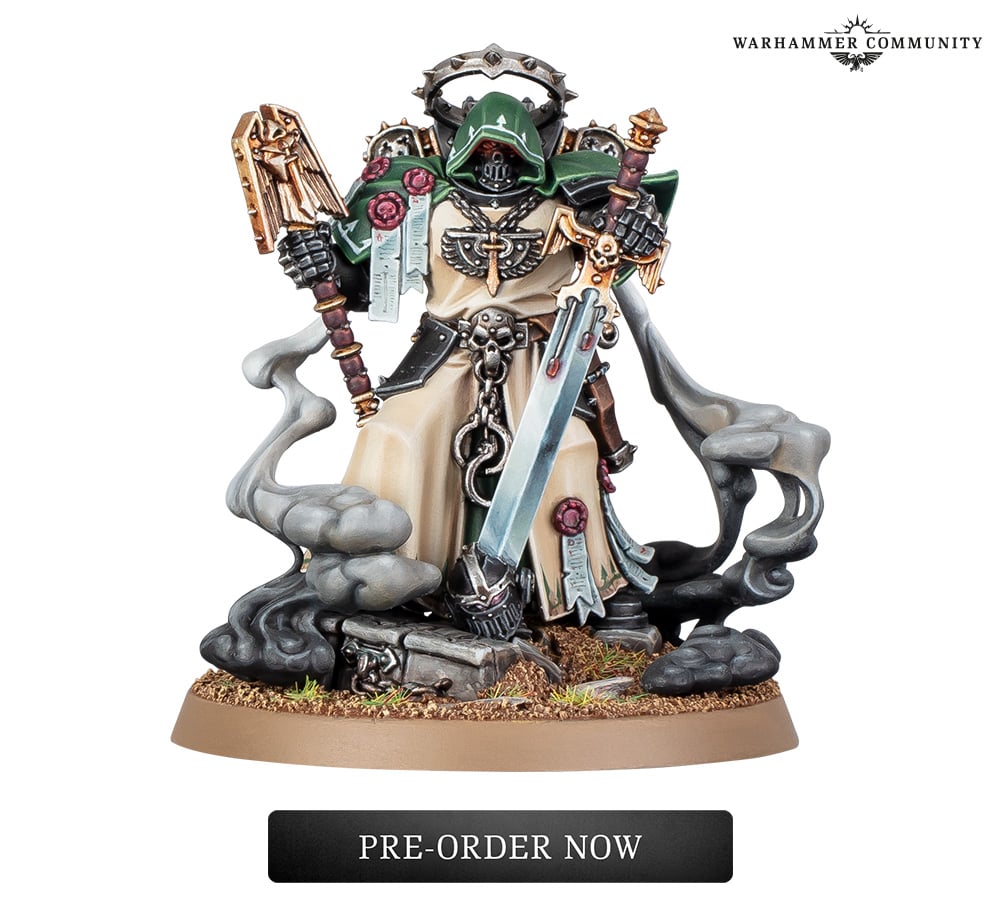
The Dark Angels have Interrogator-Chaplains. The role exists nowhere else, in no other loyalist chapter or successor outside the Unforgiven, and it exists for one reason. The Fallen. Captured Fallen are interrogated, tortured if it comes to it, and the entire process is run by the chaplaincy. Asmodai is the Master of Repentance, the oldest and most successful Interrogator-Chaplain in the chapter.
His success rate, after centuries in the role, is two confessions. Two. Most Fallen die before they break, by Asmodai’s design, because keeping them alive while questioning continues for weeks at a time is exactly the kind of work he’s known for. Suspected Fallen who hear his name try to die before they reach his cell. Even Azrael, the Supreme Grand Master, has had to step in over the years to clean up the messes Asmodai has left.
Asmodai carries the Blades of Reason, an instrument unique to his office and used ceremonially during interrogations. He also carries a standard crozius arcanum. Both items are part of the regalia of the same role.
The Dark Angels are a loyalist chapter, Codex-compliant in their organisational structure. They have a torture-and-secret-police function nested inside their chaplaincy that has been running, in continuous operation, for ten thousand years.
What “Chaplains Through the Ages” Actually Covers
I’m in two minds about whether all of this points anywhere coherent. The four chaplains above are doing four wildly different jobs and only the wargear is shared. Maybe the wargear is the point. The skull helm and the black armour and the crozius arcanum work as a uniform of authority across all four cases. Cassius is bending the Codex from inside the chapter that wrote it. Lemartes is keeping the Death Company functional through his own affliction. Grimaldus held a collapsing temple for months and now travels with relics he saved out of it. Asmodai’s interrogation cells in the Rock have been running continuously since the Heresy.
That’s probably overstating it. Plenty of chaplains in plenty of chapters do read more like priests in the ordinary sense, presiding over funerals and giving sermons in the Reclusiam and whispering the names of the fallen during the long vigils before a planetary drop. The named ones tend to be the chaplains who do something more specialised. The rest of the chaplaincy is full of people doing the priest job in the obvious way.
WarCom’s retrospective is the model history. White Dwarf 108 to Indomitus to the new jump pack, in clean order, with all the named characters listed as model entries with release-year captions. The model history is genuinely interesting on its own terms. The role under the helm has gone through its own parallel evolution in different chapters, mostly invisibly to the model release schedule.
The Jump Chaplain
The new model in the Armageddon box is gorgeous. Hooded skull helm, jump pack with skull motifs woven in, a crozius mid-swing, and crucially no chapter-specific markings on the kit, which is the bit that matters most for hobbyists outside the Blood Angels range. Lemartes-with-jump-pack has been a Blood Angels-only thing since 1998. A chapter-neutral plastic kit for it has been missing for a long time.
Pete is grabbing the Armageddon box on launch day. He’ll have the chaplain built and painted in his Salamanders scheme before I’ve finished priming mine, because that’s how every kit cycle has gone since I’ve known him. I’ve got two unbuilt jump chaplains in my Imperial Fists pile already, in their original blisters, untouched. A third one isn’t going to break me. Same affliction that makes me walk past a Sisters of Battle kit on an FLGS shelf and feel a small tug of regret that I never properly committed to a third army.
The Bike Chaplain hasn’t had a model refresh in years. The foot Chaplain is showing its age too. Whichever one gets the Primaris-scale redesign first will probably look beautiful, and I’ll buy it the day it goes up.