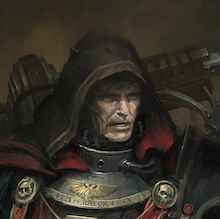
Imotekh the Stormlord makes a wonderfully helpful subordinate in the MTG Warhammer 40K Commander decks. Put him beside Szarekh and he’ll supply fresh Necron Warriors while the Silent King keeps digging through your library for machinery. I’ve been looking at those two cards again, trying to imagine either character agreeing to the arrangement. They’re both in the original Necron Dynasties list, with Szarekh on the front of the box.
Wizards of the Coast confirmed to IGN on 8 October that the four decks originally released in 2022 have received a small reprint. Distributors and stores should receive stock, with availability varying by region. The announcement gives no firm arrival date or retail price, and doesn’t confirm a return for the all-surge-foil Collector’s Editions. The decks are Forces of the Imperium, Necron Dynasties, Tyranid Swarm, and The Ruinous Powers.
I’m glad there’s another chance to put these particular armies across a table from each other. The original cards made a player participate in a faction’s habits: recovering wrecked bodies, feeding resources into larger organisms, spending lives to keep a war going. Some of the compromises become visible once you know who’s depicted on the cards, especially in that very cooperative Necron command structure.
MTG Warhammer 40K Commander decks have a very efficient tomb world
Commander uses a legendary creature as the leader of a 100-card deck. The leader usually starts in a separate command zone, where you can cast it again after losing it, with an increasing mana surcharge. Most cards are restricted to one copy apiece. For a 40K player, that makes the named characters and the interactions between individual cards unusually prominent; you spend a lot of time thinking about what your commander encourages you to do.
Necron Dynasties makes the graveyard, Magic’s pile of spent and destroyed cards, feel like a place you’re still using. Szarekh’s attack ability sends the top three cards of your library there, then lets you take an artifact creature or Vehicle from those three into your hand. The other cards stay down there. You can look through them before deciding which recovery effect to use later.
Unearth gives some of those destroyed creatures a final appearance: pay the cost, bring the creature back with haste, then exile it at the next end step or if it would leave the battlefield. That last restriction is important. It’s temporary recovery, with a built-in limit on how often you can get the same body back this way. You still have to decide whether this is the turn to use it.
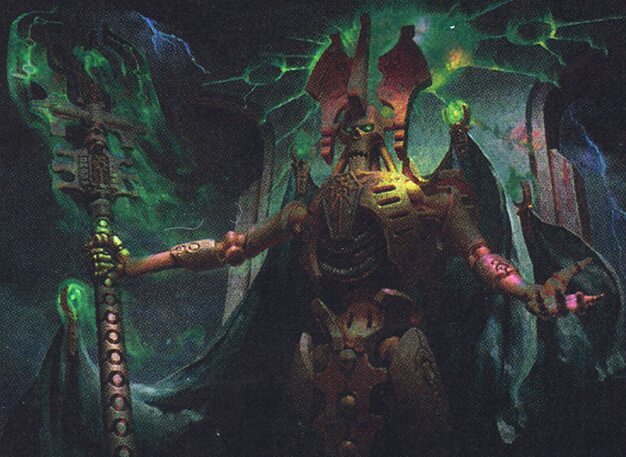 Szarekh card illustration by Anton Solovianchyk, from the original Warhammer 40,000 Commander release.
I like the small change this makes in how I’d look at a casualty pile. A Necron player has reasons to pay attention to a destroyed machine. Someone across the table can spend a removal spell on it and still need to keep track of where it went. In a four-player game, I can imagine the irritation spreading around the table as the same collection of metal bodies keeps producing another problem.
Imotekh adds two 2/2 Necron Warrior artifact tokens whenever one or more artifact cards leave your graveyard. That includes bringing something back with unearth. A batch of artifacts leaving together produces one trigger, so there are timing decisions here as well as a pleasant mental image of more Warriors stepping out behind the repaired vehicle. His other ability improves another artifact creature at the start of combat.
The political arrangement is a bit harder to swallow. White Dwarf #496’s The Legions of Sautekh describes Imotekh taking territory from Szarekh’s supporters and drawing vassals away from the Silent King. The account presents a civil war with campaigns, defections and competing claims to legitimate rule. I’ve written about Imotekh’s challenge to Szarekh already; that account follows his advances through the Pariah Nexus.
I initially thought that was a fairly serious objection to the deck. Then I pictured teaching someone Commander and having to explain why their two best-known Necron rulers sabotage each other. I’d get through about half the explanation before wanting to remove the rule myself. Both characters can lead a deck independently, which leaves room to choose your preferred claimant. I’d probably choose Imotekh, partly because I like having more little silver idiots to move around.
My Tyranids keep asking for more mana
Tyranid Swarm uses green, blue and red mana, with several creatures whose cost includes X. You choose how much to invest when you cast them. Ravenous turns that payment into +1/+1 counters and, when X reaches five, a card drawn as the creature enters. An Exocrine with five counters also throws five damage at each player and every other creature when it arrives, so the size of your investment affects rather more than its attack value.
The counters make biological growth conveniently visible. You can watch the pile of dice on a monster increase, and the decision to save resources for a larger organism feels familiar from building a Tyranid army. It also leaves me wondering which little gribbly I’ve made too expensive. I’m fond of spending an unreasonable amount of attention on a single bug while the rest of the army waits for me.
The Swarmlord’s card gets two +1/+1 counters for each time you’ve cast your commander from the command zone during the game. Its other ability draws a card whenever one of your creatures with a counter dies. Even the loss of a heavily developed organism can put another option into your hand. I’d have to remember the condition, though: an ordinary creature dying without a counter doesn’t qualify.
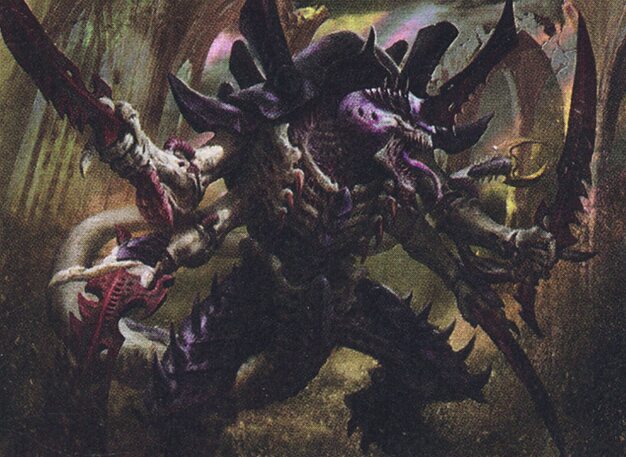 The Swarmlord, illustrated by Antonio José Manzanedo for the Commander deck.
White Dwarf #309’s Part Three: Total Consumption describes the invasion’s aftermath with feeder organisms hurling themselves into digestion pools. Their bodies and everything they’ve eaten are broken down for the fleet. There’s a horrible economy running through that account, including the eventual consumption of the organisms doing the harvesting. I associate that card-draw ability with the Hive Mind’s use of expendable bodies, especially the Rippers returning their meal to a pool.
I had a much less dignified transport system for my Thousand Sons in eighth edition. In 2018 I put a newly painted Sorcerer in an old biscuit tin with some foam I’d cut myself. The foam was too shallow. I opened it at my local store to find the staff had snapped against the lid, and spent the first twenty minutes holding the pieces together while Kiran unpacked. There was still a little patch of blue paint stuck inside the tin months later. I kept using it for dice.
Magus Lucea Kane brings the Genestealer Cults into this deck too. She supplies mana and can copy your next spell with X in its mana cost, or an activated ability with X in its activation cost. That gives the cult leader a substantial job in the swarm’s engine. Her rule can leave you resolving two copies of the same creature spell, which means finding the right token as well.
The cult’s relationship with its approaching gods includes that terrible destination. WD #309 describes infested organisms losing themselves to the fleet’s will and walking into the harvest. I’d mention the passage to a new 40K reader who’d met Lucea Kane through Magic, probably after they’d had a few turns to get attached to her. Her ability gives you plenty of opportunities to keep her in play.
Greyfax brought enough troops for everybody
Forces of the Imperium uses white, blue and black, with an army that reaches across several Imperial institutions. Squad lets you pay extra mana as you cast a creature to get additional token copies when it enters. A Space Marine Devastator can arrive with more Devastators, each bringing its own ability to destroy an artifact or enchantment. You choose the target separately for each creature’s arrival.
Greyfax improves her other creatures’ power and gives them vigilance, allowing them to attack without tapping. She can also tap an opposing creature and investigate, making a Clue token you can spend mana and sacrifice to draw a card. Her troops remain available to block while the Inquisitor obstructs somebody else’s plans. The Clue stays around until you can spare the mana to use it, or something happens to it.
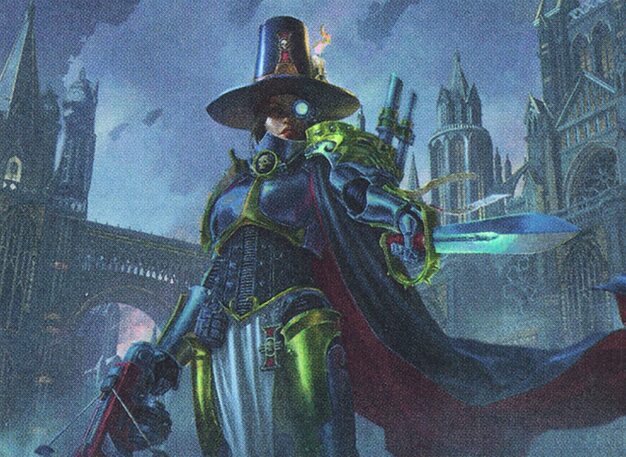 Inquisitor Greyfax card illustration by Lie Setiawan.
Calgar offers another direction. His card draws you a card whenever one or more tokens enter under your control, and he can spend six mana to make a pair of vigilant Astartes tokens. A group arriving together gives one draw. There’s a satisfying reinforcement rhythm in that, though the bit that amuses me is the paperwork: an incoming unit produces another card in the commander’s hand, ready to be considered while everybody else waits.
Designer Ethan Fleischer explained the broad Imperial selection as partly a question of visual variety. A newcomer needed to distinguish the creatures at a glance. I think that choice helps this particular deck enormously. Across the Imperium’s institutions, a player gets strikingly different people and machines to inspect, with a shared strategy tying them together. I’d expect questions about individual cards to interrupt the first game fairly often.
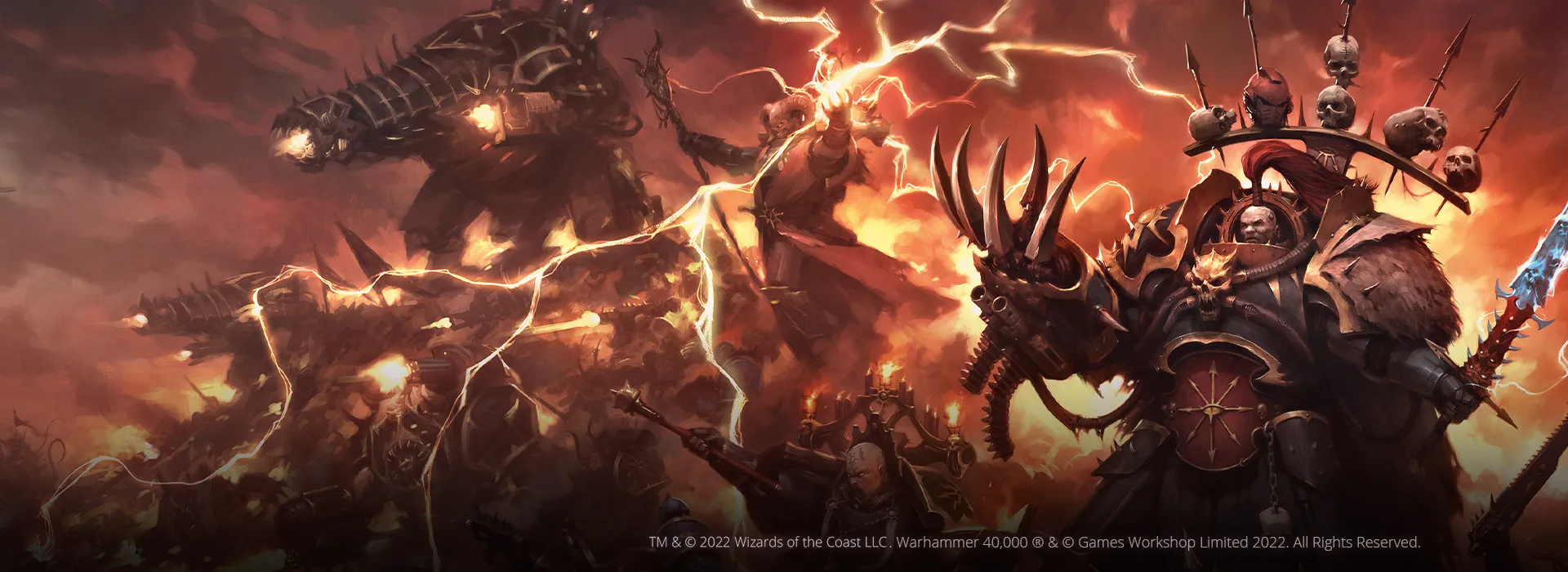
Abaddon gets a reward for hurting the whole table
Okay, Abaddon. Hit people. Get the number up. Then start casting. Well, check the number first, because it’s the total life your opponents have lost this turn, and the spell needs to fit under it. I’d absolutely forget one of the opponents’ life totals halfway through explaining this. Put a dice beside him before anyone reaches for the next card.
During your turn, Abaddon gives spells cast from your hand cascade if their mana value is no greater than that life-loss total. Cascade digs through your library until it reaches a cheaper nonland card, which you may cast for free. Damage creates the opening for another spell, which can produce another surprise. Casting the extra card is optional, which I’d want to remember before creating another stack of triggers.
There’s a useful bit of multiplayer pressure in counting all your opponents’ lost life. You have a reason to spread pain across the table. Everybody can see the threshold growing, including the person who was hoping the Chaos player would concentrate on somebody else. I can happily spend an evening arguing about Abaddon’s long campaign, though I’d need to put that aside while somebody checked which spells in their hand now had cascade.
I don’t know whether the four reprinted decks will reach my local store in equal quantities. The announcement leaves distribution open, and I’d rather wait for an actual allocation than build a story around a product listing. I do know how I’d want to try them: the original lists, across one table, with enough space to keep the token armies separate. The official decklists are still available. I’d put the Tyranid counters in a different colour from the dice used to track life; I’ve confused those often enough in other games.