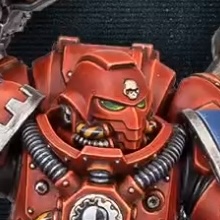
The Star Phantoms are loyal Space Marines with a reputation for making nearby Imperial forces nervous. Their answer to an enemy position is overwhelming firepower, delivered at close range, with a willingness to cause collateral destruction that troubled even Lord Solar Macharius. They helped break the final defences around Huron’s palace during the Badab War. They had also fought a devastating war against another loyal Chapter.
Imperial Armour Volume 10: The Badab War — Part Two puts those episodes in the same history. The result is a Chapter whose usefulness to the Imperium repeatedly sits beside the damage it causes while serving it.
A Chapter raised among tombs
The book’s “The Star Phantoms” section places their origins in the 23rd Founding, in early M38. Their initial base was a fortified mausoleum complex on the shrine world of Haakoneth, near the ravaged Sakkara sector. Recruits came from the surviving populations of surrounding systems, and the Chapter fought the alien threats haunting that region.
It’s an appropriate beginning for warriors whose funerary traditions later attracted Inquisitorial attention. The account describes an elaborate mortuary cult, a preoccupation with death and secretive habits that fed suspicion among fellow Space Marines. It also describes long service on the Imperium’s margins, where isolation encouraged independence and reluctance to accept outside command.
That gives us a setting for their culture, rather than a complete explanation of its rites. The book leaves much of their inner life obscure. What it makes clear is the effect on outsiders: Imperial commanders had reason to find the Star Phantoms difficult company even before the shooting started.
Haakoneth’s destruction in 120.M40 turned them into a fleet-based Chapter. As they rebuilt, they developed their skill in naval warfare and massed orbital assaults. Drop pods, including armed Deathstorm variants, became an important means of bringing their strength to bear.
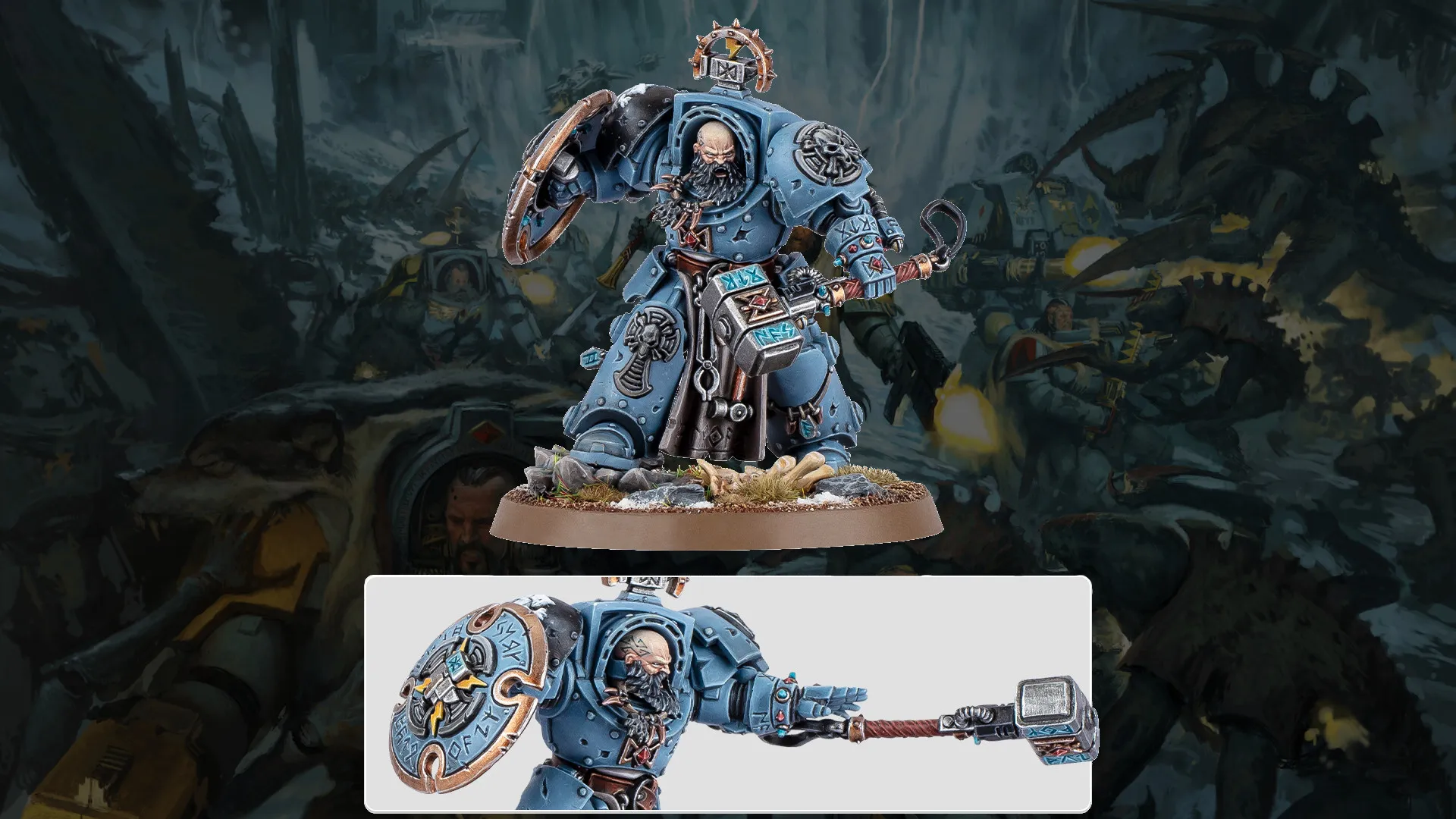
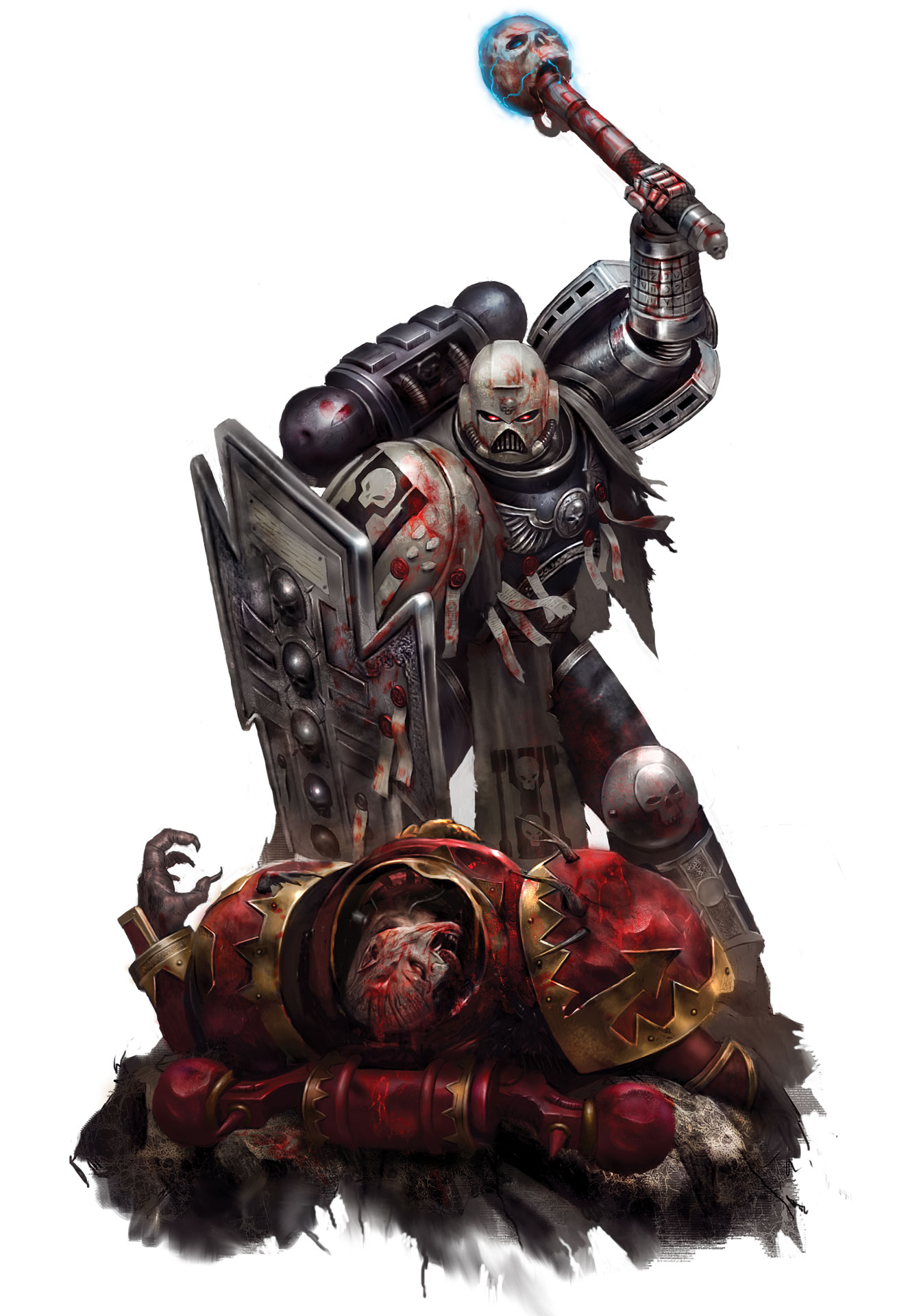 Brother Mercur, by Matt Bradbury, via 40K Gallery.
Death matters more than the manner of killing
In “Organisation,” the same book gives their battlefield philosophy a concrete form. The Star Phantoms favour heavy shooting and close for an assault when doing so makes tactical sense. They assign no special glory to one method of killing over another. Destroying the enemy is what counts.
Their equipment follows that preference. The profile describes unusually plentiful plasma and melta weapons, three Devastator squads in a standard battle company against the usual two, and officers carrying combi-weapons as marks of rank. Vindicators, Land Raiders and large numbers of Deathstorm pods support the infantry’s close-range firepower.
Those are details of the Chapter as presented in this Badab-era source, rather than instructions for building a current army. They explain its character unusually well. The extra heavy weapons express a priority: bring enough destructive force to finish the target, then use the delivery method that gets it there.
The cost appears in their campaign history. “The Star Phantoms” describes indiscriminate firepower and collateral damage during civil insurrections. Macharius judged them unsuitable for close tactical support of other Imperial units. That’s a substantial warning from the commander employing them: their ability to destroy a position could make cooperation with nearby forces dangerous.
Cleared of heresy, punished for their service
The aftermath of Macharius’s death brought that troubled relationship into open conflict. According to the Chapter history, the Star Phantoms became embroiled in the civil wars among his former commanders and attacked Guard forces they considered to have betrayed the Imperium.
The account attributes the destruction of the 17th Terrax Guard on Thoth to suppressed records. It also describes a prolonged conflict with their former allies, the Marines Malevolent, that nearly destroyed the latter Chapter. The distinction matters: one incident reaches us through a qualified archival attribution, while the war with the Marines Malevolent is stated directly.
An Inquisitorial investigation ultimately cleared the Star Phantoms of heresy, but they were censured and required to help spearhead the campaign ending the Macharian Heresy. Exoneration still left them with dangerous work to perform.
That episode is the clearest answer to why their allies fear them. The danger goes beyond stray shells. The Chapter has its own judgement of Imperial loyalty, the independence to act on it and enough firepower to make that judgement catastrophic for another Imperial force.
The reward was a ruined sector
The book’s “Badab War Disposition” brings them to the Maelstrom Zone in 912.M41 through Legate-Inquisitor Jarndyce Frain. They committed their full Chapter strength, with seven companies assigned to the invasion of Badab, supported by seventeen Dreadnoughts and more than two hundred drop pods.
Their task was to assault the Palace of Thorns. There, Captain Zhrukal Androcles led the group that cornered Lugft Huron and felled him with a melta blast, dying in the fighting himself. Huron survived to become the Red Corsairs’ Blackheart; Androcles had nevertheless helped end his rule of Badab.
 Huron’s later identity as Blackheart, represented by his miniature; this depicts him after Badab. Image: Games Workshop / Warhammer Community.
Victory left the Star Phantoms badly mauled. “The Star Phantoms’ Prize” records their reward: dominion over the ruined Badab Sector and responsibility for policing its survivors. Their crippled battle-barge Memento Mori was brought down onto Jahga, an ice moon in the Archaea system, to become the heart of a new fortress-monastery.
It’s a fitting end to this part of their history. A Chapter formed around a mausoleum, made homeless and repeatedly damaged in Imperial service, finally received another home. It came with the wreckage of a war and the duty to keep order afterward. The Imperium still had uses for warriors its own commanders struggled to trust.
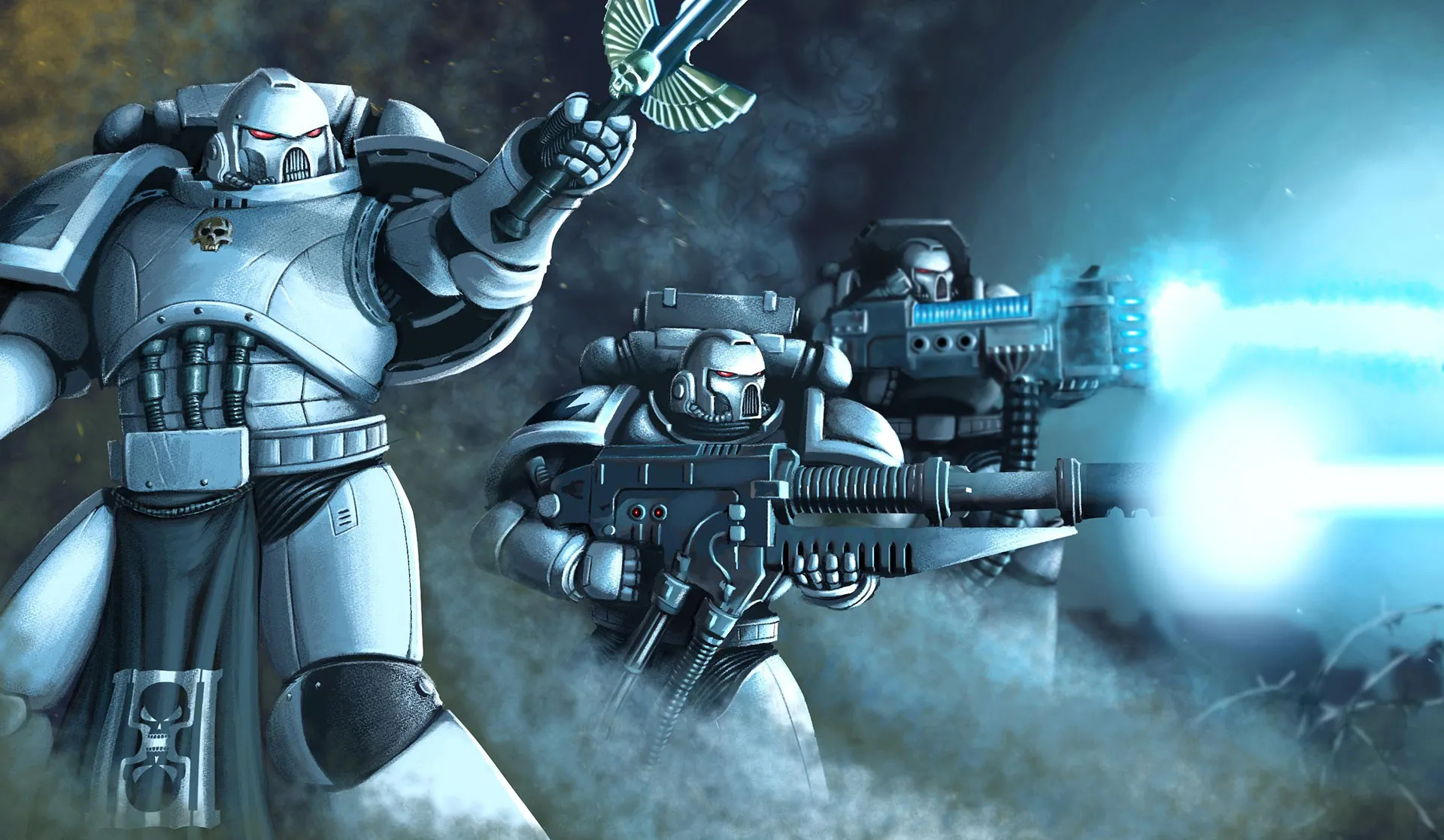
Source: Imperial Armour Volume 10: The Badab War — Part Two, “The Star Phantoms,” “Organisation,” “Badab War Disposition,” “913.M41 [The Final Assault],” “913.M41 [The Star Phantoms’ Prize]” and “927.M41 [The Blackheart].” Header: Star Phantoms fan art by Eliphusz, via 40K Gallery.