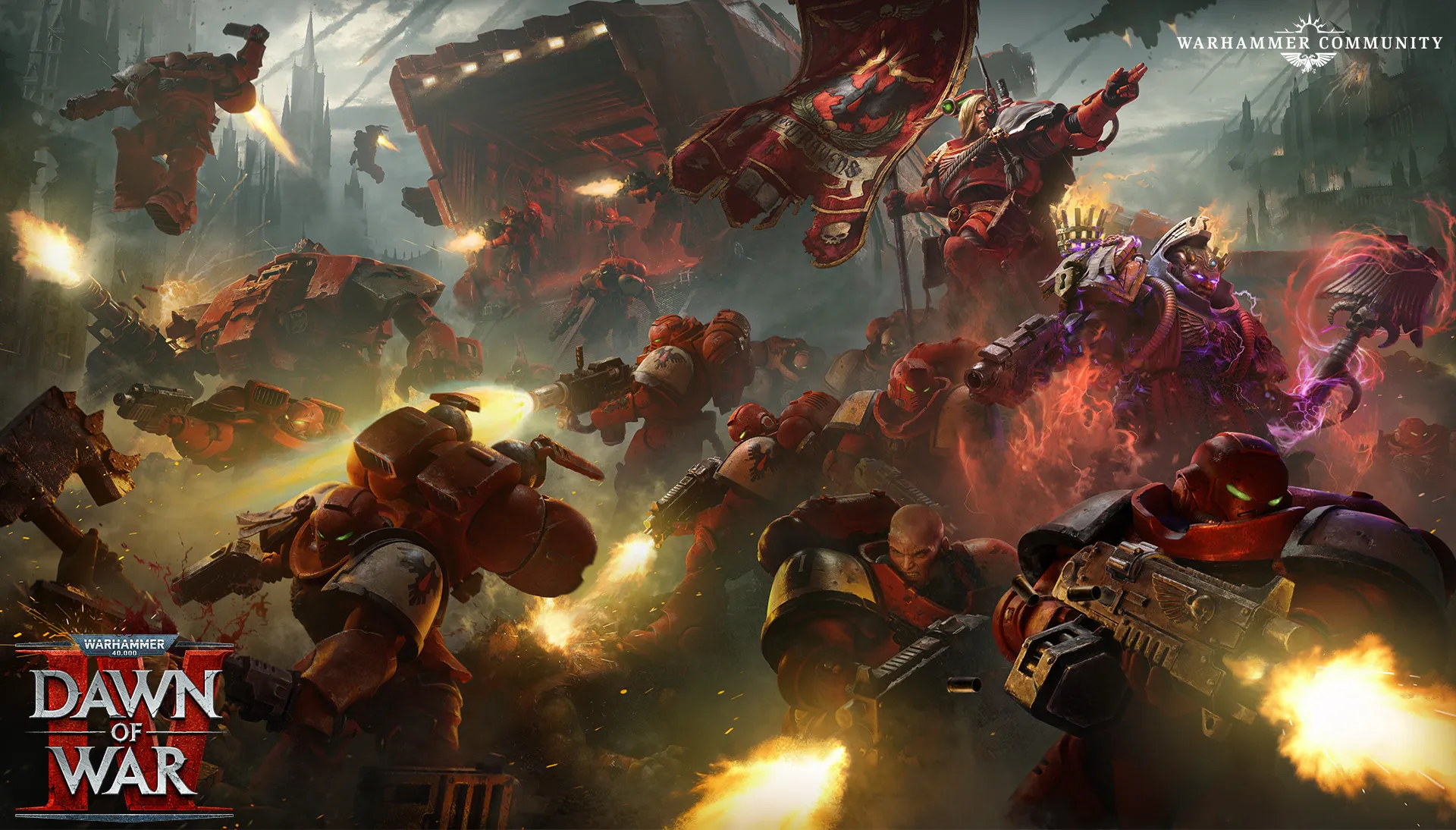
I spent about two hours last night trying to build a theoretical Blood Angels list using the new 11th edition detachment rules, and I kept running into the same problem. I wanted a melee-focused core with a fire support element that could hold backfield objectives while the assault units pushed forward. In 10th edition, you’d pick one detachment and live with it. In 11th, you can apparently mix multiple detachments, each with their own cost in “Detachment Points,” and your combination influences what missions you play. I got about forty minutes into trying to theory-craft optimal combinations before I realised I was doing exactly what GW wanted me to do, which is spend time thinking about army building before the edition even launches.
GW published the details on Warhammer Community today, and Bell of Lost Souls and Goonhammer have already started breaking down the implications. The AdeptiCon reveals gave us the headlines: 70+ detachments at launch, your codex still works, modular army building. Now we’re getting the actual mechanics.
Detachment Points
The core change is that detachments now have a point cost. Not a points cost in the army-building sense, but a “Detachment Points” cost on a scale of 1 to 3. A detachment that costs 1 point has narrow or gentle rules, maybe affecting a single unit type or providing a modest bonus. A detachment that costs 3 points affects your whole army with significant buffs and is essentially your army’s identity.
The number of Detachment Points you get depends on the size of your game. GW hasn’t confirmed the exact numbers for every battle size yet, but the structure follows the existing Incursion/Strike Force/Onslaught tiers. In larger games you get more Detachment Points, which means more room to combine detachments.
In a standard Strike Force game, it sounds like you’ll have around 3-4 Detachment Points to spend. So you could take one big 3-point detachment that defines your entire army, or mix a 2-point and a 1-point, or even take three 1-point detachments if you want maximum flexibility at the cost of each individual bonus being smaller.
There’s also an enhancement limit tied to battle size, which seems to work similarly to how it does now but scaled to the new detachment structure. I don’t have the exact numbers because GW’s article was light on specifics for some of this, but the framework is clear.
What This Means for List Building
So yeah. Detachments. Points. Mixing. What does this actually change?
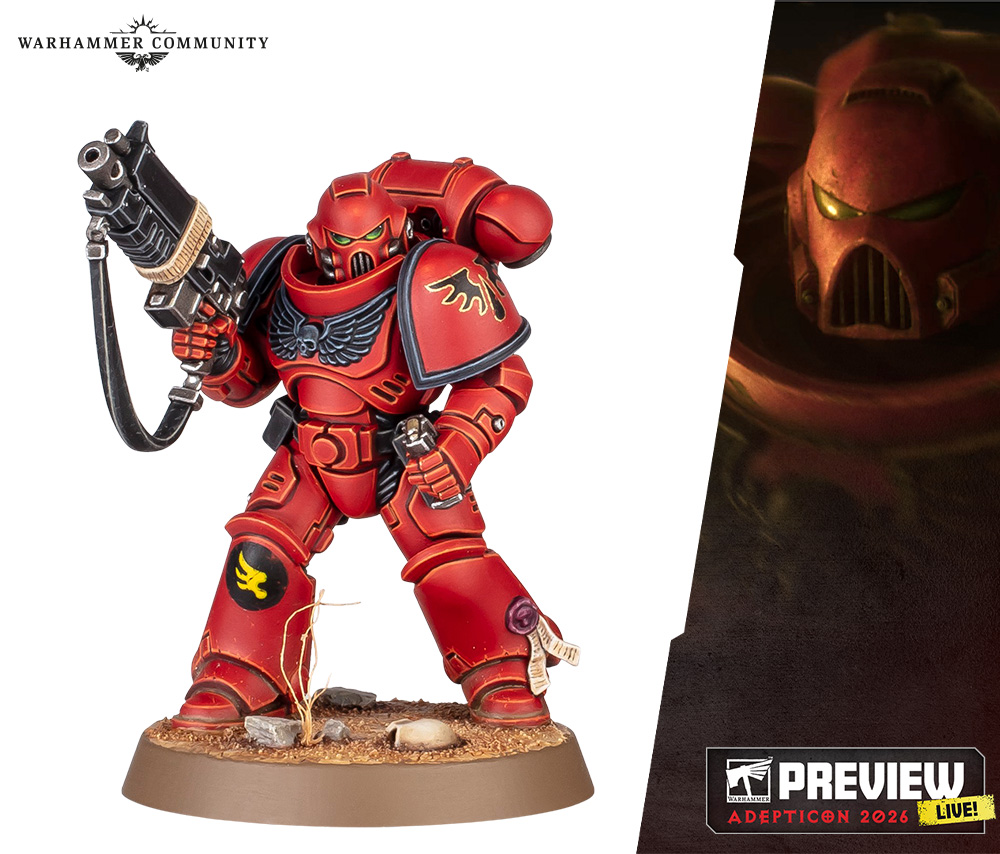
In 10th edition, picking your detachment was a binary choice. You chose one, and it defined how your army played. If you were playing Space Marines, you picked Gladius Task Force or Ironstorm Spearhead or whatever, and that was your army’s personality for the game. Every unit in your army benefited from the same detachment rule and had access to the same stratagems.
The problem with this was that it felt limiting. You’d often have units in your list that didn’t synergise with your detachment because you needed them for other reasons (holding objectives, screening, etc.) but they weren’t getting any detachment benefit. A shooty unit in a melee-focused detachment was just sort of there, taking up space without synergy.
The new system lets you split your army across detachments. Your assault Terminators can be in a melee-focused detachment while your backfield Devastators are in a fire support one. Each group gets rules that actually match what they’re doing on the table.
I taught a friend how to play 40K during 10th edition and one of the things he kept getting confused by was why his entire army had to be locked into one playstyle. He was coming from a video game background where you’d naturally have different unit roles, and the idea that his entire force had to commit to one approach felt artificial. I wonder if the modular system would’ve made more sense to him.
Though I’m slightly worried about complexity. 10th edition was supposed to simplify things, and it did by making detachments a single clean choice. Adding a detachment points economy, multiple overlapping rules, and the bookkeeping of tracking which units belong to which detachment brings some of that complexity back. Whether GW can keep this streamlined enough for new players while giving veterans the depth they want is a genuine design challenge. I’ve been burned before by “more options” turning into “more rules arguments.”
The Mission Link
The part I find most interesting is barely getting any coverage. Your detachment selection doesn’t just give you rules for your army. It affects what missions you play.
GW’s description says that armies specialising in holding ground will be rewarded for holding ground, while armies built to kill will earn victories through carnage. Your objectives in a game are partly dictated by what kind of force you’ve brought to the table, and what your opponent has brought.
I don’t fully understand how this works yet. Does each detachment have a “force disposition” tag that determines your mission objectives? Do you pick from a menu based on your detachment combination? Is it automatic or does it involve choices during setup? The WarCom article and the #New40k Q&A have been frustratingly vague on the specifics.
But the concept is strong. In 10th edition, both armies played the same mission and competed for the same objectives regardless of what their army was built to do. This meant that a hyper-aggressive melee army and a dug-in defensive army were both trying to stand on the same circles. The aggressive army often had to play against its nature to score, which felt weird and led to some unintuitive list building where the “best” approach was often to ignore your army’s identity and just build for maximum objective control.
If 11th edition gives different armies different win conditions based on how they’re built, that changes the entire incentive structure. A World Eaters army shouldn’t be trying to sit on objectives quietly. They should be rewarded for charging into the enemy and causing maximum destruction. An Imperial Fists army should be rewarded for building a fortress and daring the enemy to come dig them out.
Actually, I’m not sure whether this is good for competitive play. Having asymmetric objectives means the game is no longer a zero-sum contest over the same resources. One player could be winning on their objectives while the other player is winning on theirs, and the game’s outcome depends on whose scoring pace is faster. That’s either brilliant game design or a balancing nightmare, and I genuinely don’t know which until we see the actual rules. Asymmetric scoring has worked well in other games, but it’s also been a disaster in others.
70 New Detachments
The other headline number is 70+ new and updated detachments at launch. That’s enormous. In 10th edition, most factions had somewhere between 4 and 8 detachment options, and some of those were clearly better than others. If GW is launching with 70+ across all factions, that’s potentially double the options per army, plus new generic or cross-faction detachments.
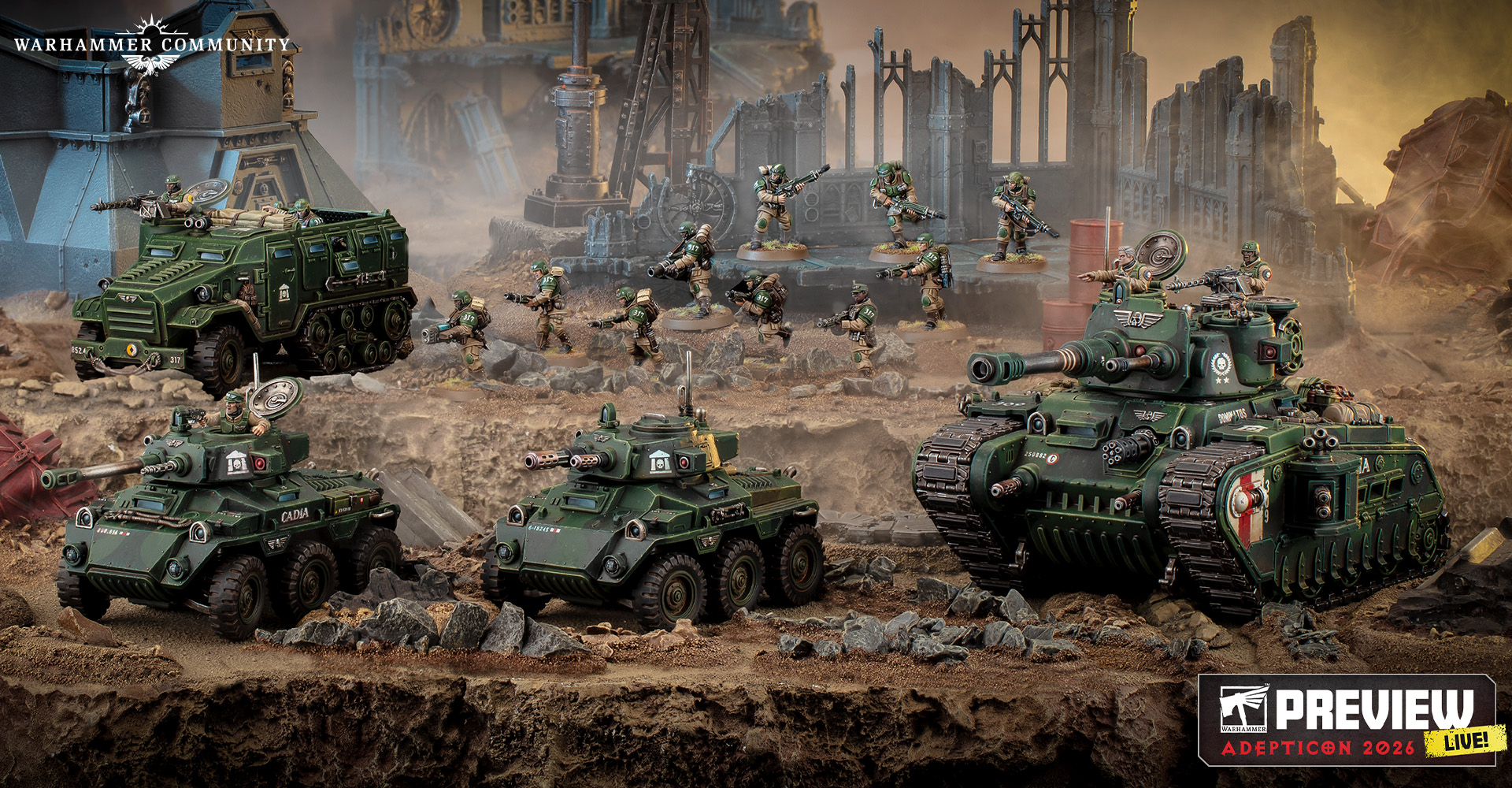
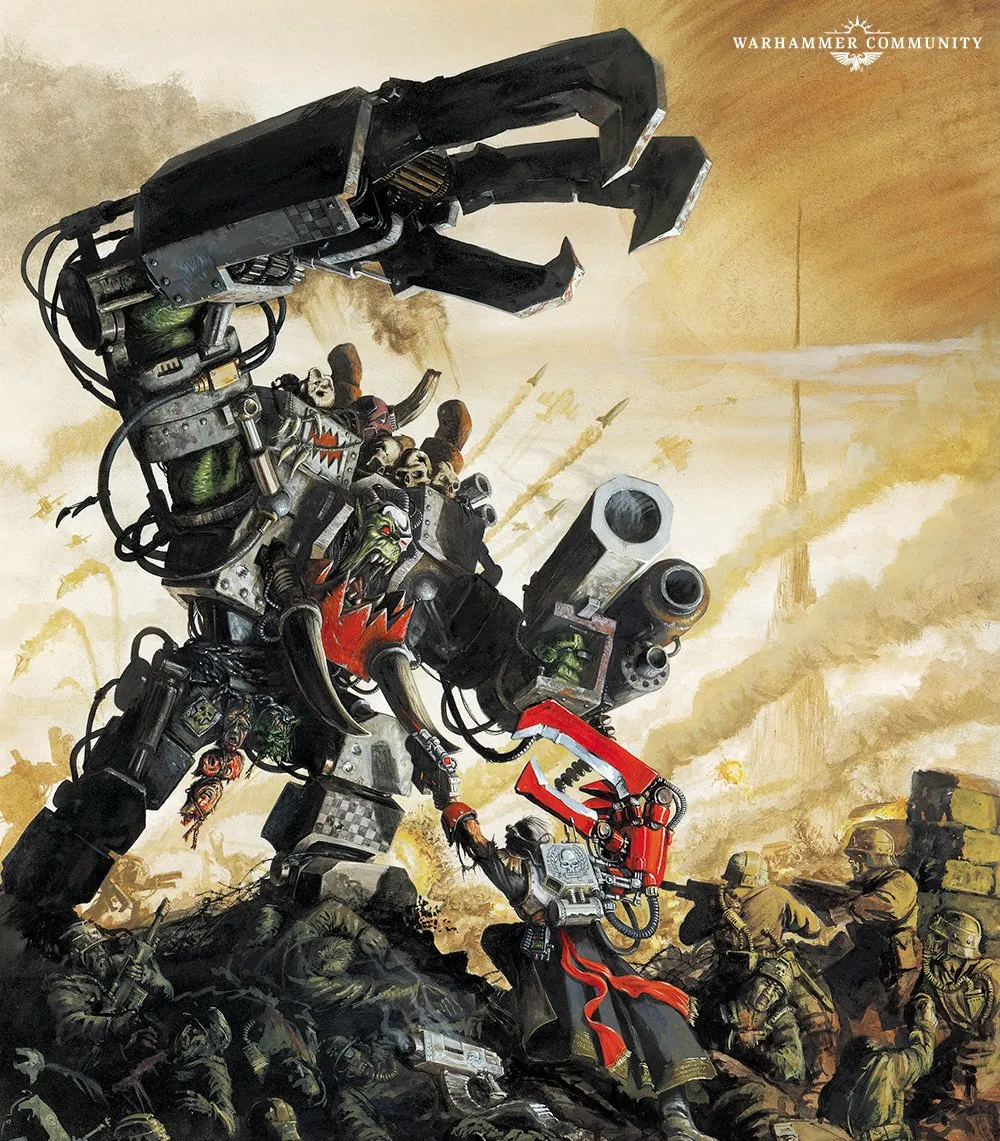
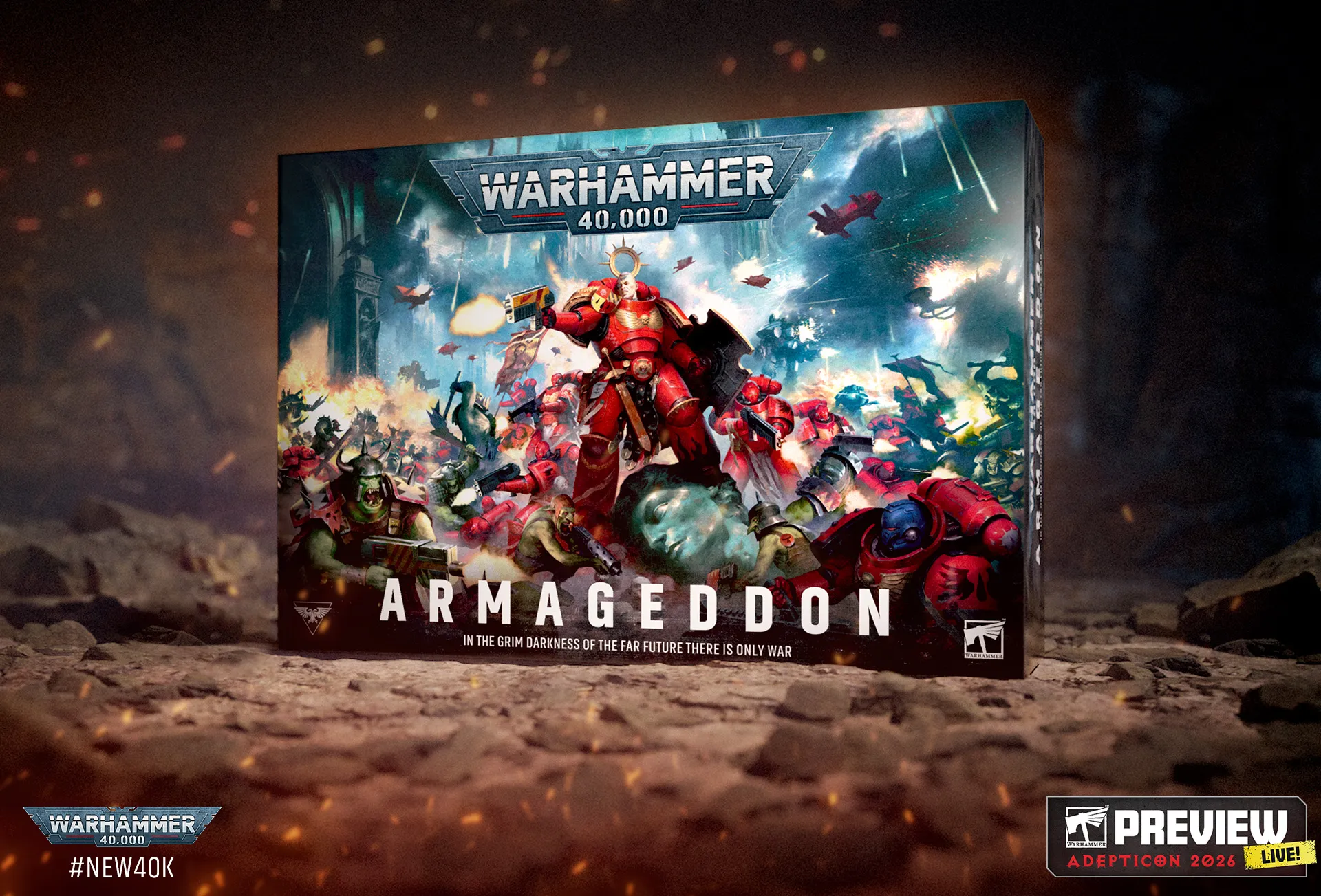
The Armageddon campaign expansion already adds six vehicle-focused detachments: two each for Astra Militarum, Orks, and Space Marines. If that pattern continues across other supplements, the detachment library could grow quickly.
GW has also confirmed that your existing codex detachments still work. So if you’ve been running a specific 10th edition detachment and it feels right for your army, you don’t lose it. You just have more options alongside it. That’s a smart design choice because it means nobody’s army gets worse on day one.
I played in a local league during 10th where we had a house rule that you had to change detachments every round. It was meant to keep things fresh but mostly it just annoyed people who’d built their list around one detachment’s stratagems. With modular detachments in 11th, that kind of forced variety happens naturally because you’re picking combinations rather than a single package. I don’t know if it’ll have the same effect in practice, but on paper it sounds like armies will have more personality game to game.
Terrain Objectives
One more thing from the #New40k Q&A that ties into this: objective markers are gone. Replaced by terrain footprints. You’re fighting over buildings, ruins, bunkers, and relics instead of standing on circles.
This matters for the detachment system because it means different detachments might interact with terrain differently. A detachment designed for holding ground might get bonuses when occupying fortified terrain. A fast-attack detachment might get bonuses for contesting terrain the opponent holds. If GW has designed the terrain-objective and detachment systems to interact, the army-building phase becomes a strategic decision about how you plan to interact with the board, not just which units you want to bring.
Whether they’ve actually done this level of integration is something we won’t know until June. GW’s track record with system-level cohesion is mixed. Sometimes everything clicks together beautifully (the core 10th edition rules). Sometimes individual systems work fine but don’t talk to each other well (10th edition Crusade and matched play feeling like two separate games). I’m cautiously interested rather than unconditionally hyped, which I think is the healthiest relationship anyone can have with GW’s pre-release marketing.
We should get more details in the weekly WarCom articles between now and the summer launch. I’ll probably be back to update this once GW actually shows us the detachment point costs for specific factions and we can start doing real theory-crafting instead of speculation.