114 pages. No rules.
That’s the part I keep coming back to. The Armageddon launch box has a 114-page book in it called Operation Imperator, and the official line from Games Workshop is that this is “the first time lore developments have been contained in a dedicated book separate from the game rules.” It’s a return to something GW used to bundle into nearly every campaign launch in the early 2000s.
If you came up through 40K in the 3rd or 4th edition era, you remember when this was normal. The original 3rd War for Armageddon codex from 2000 was half lore, half rules, and the lore half was the part that turned a lot of us into lifelong Armageddon obsessives. Eye of Terror followed in 2003, half campaign sourcebook, half global campaign. Medusa V in 2006 was its own thing. Then somewhere around 5th edition the dedicated narrative books mostly died. Apocalypse War Zone supplements replaced them, mostly rules with sidebars of lore. Then the lore got pushed into codex sidebars. Then it migrated almost entirely to Black Library.
The thing GW is doing “for the first time” is actually a thing GW used to do constantly. By 6th edition the format was effectively gone from launch boxes.
What’s actually in Operation Imperator
The structure, based on the WarCom preview, picks up after Armageddon: The Return of Yarrick, the recent Black Library novel that brought the old man back into the active timeline. Operation Imperator covers what happens next at the planetary scale, with the focus on the next surge of Ork landings.
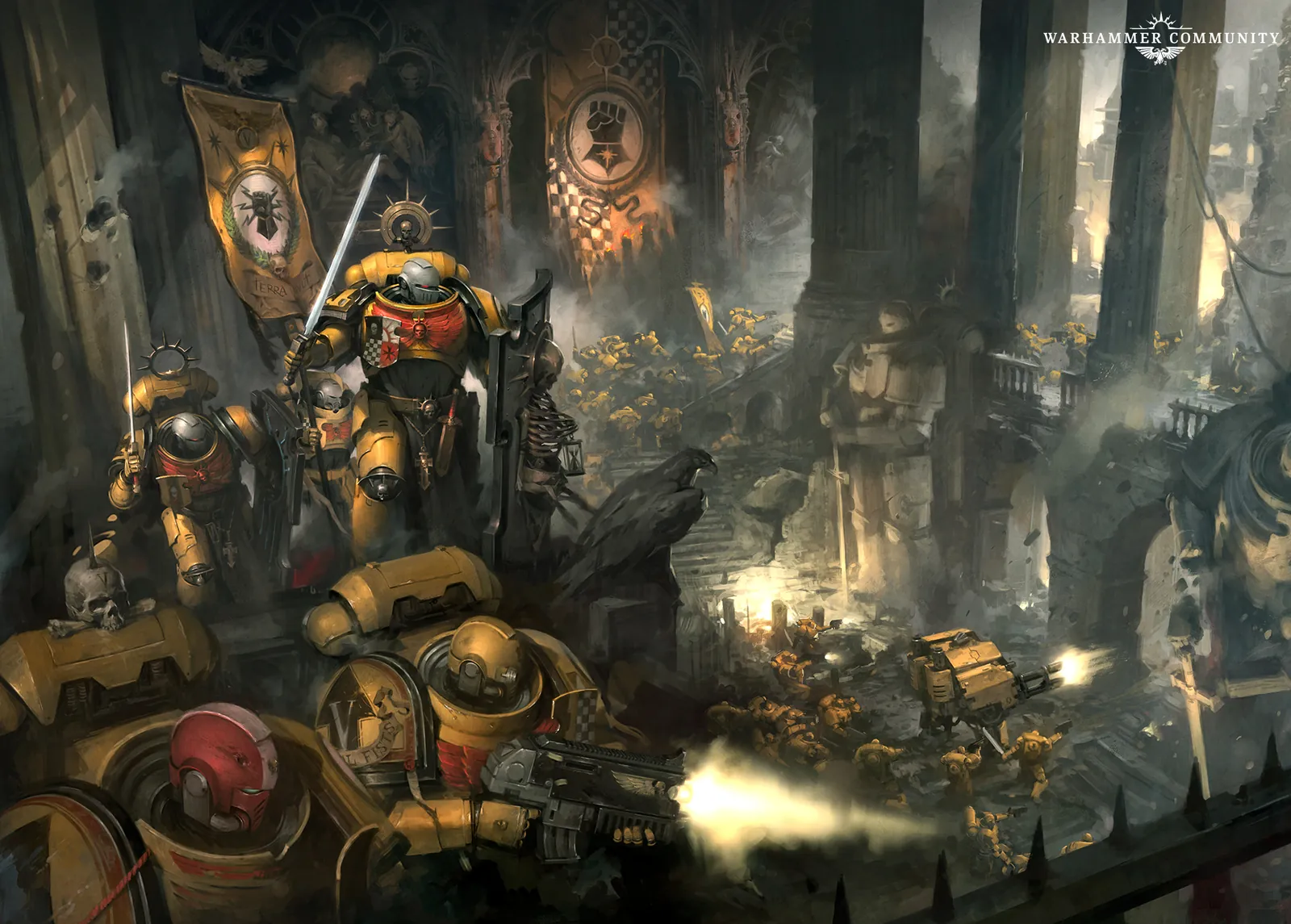
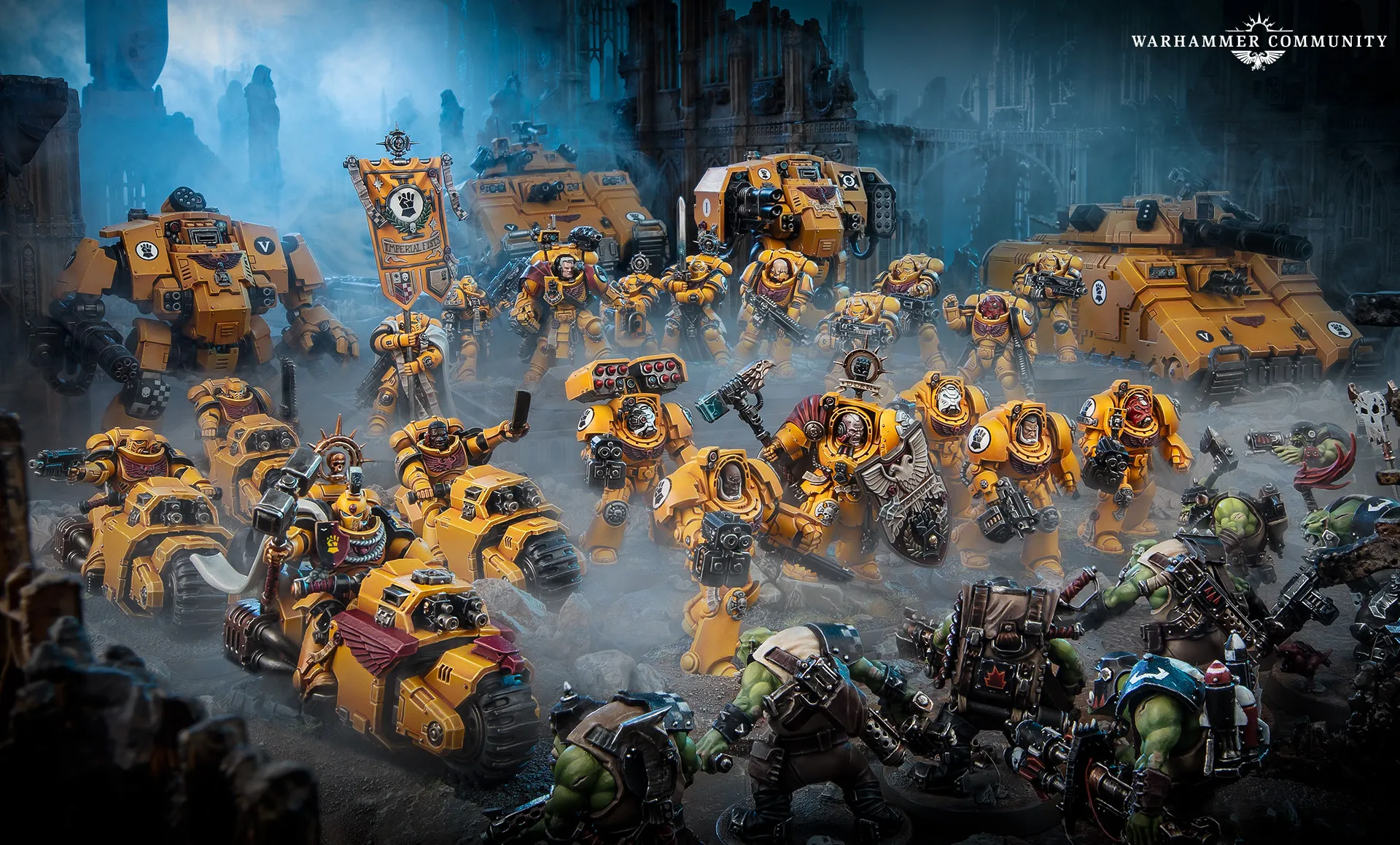
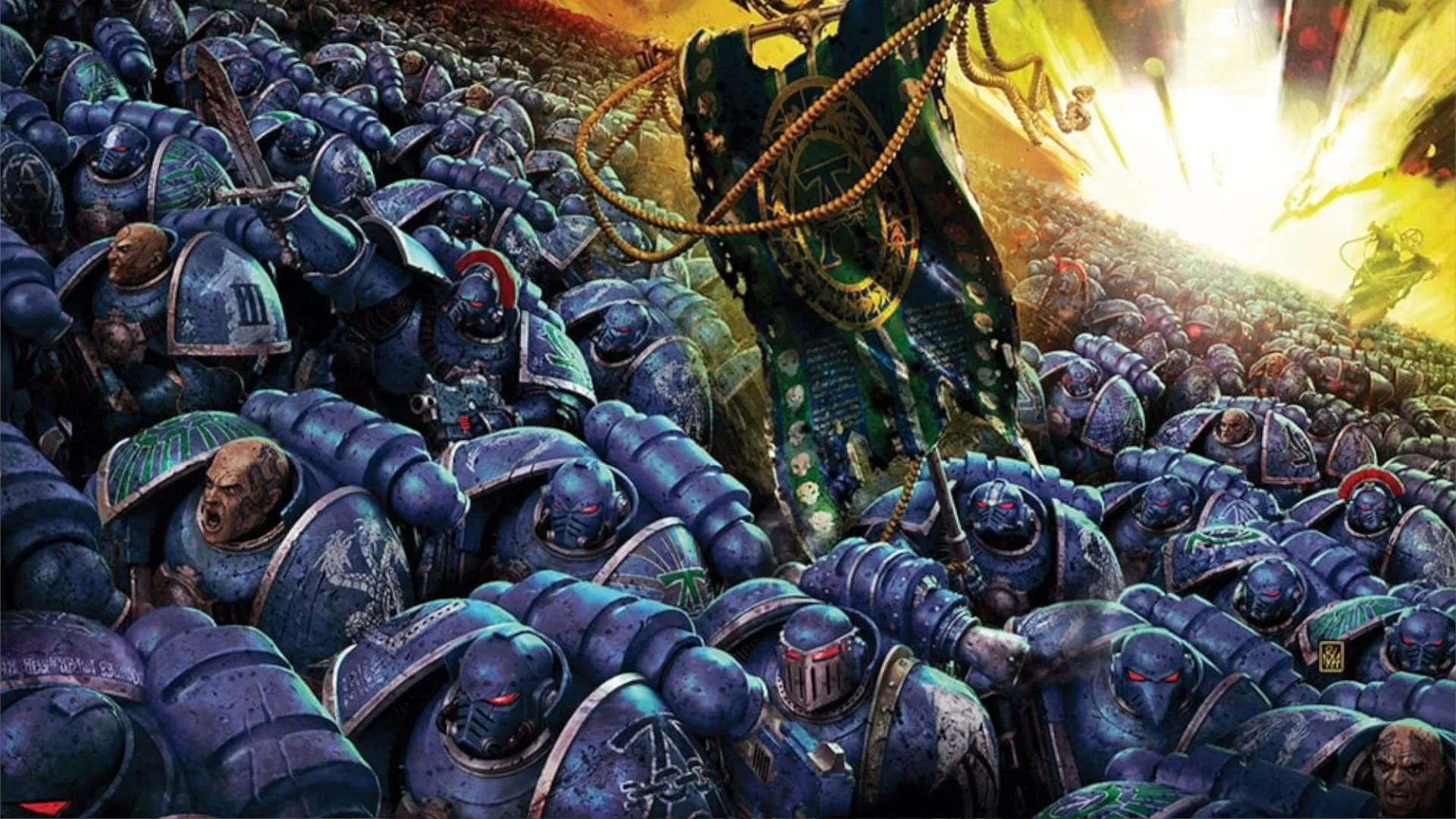
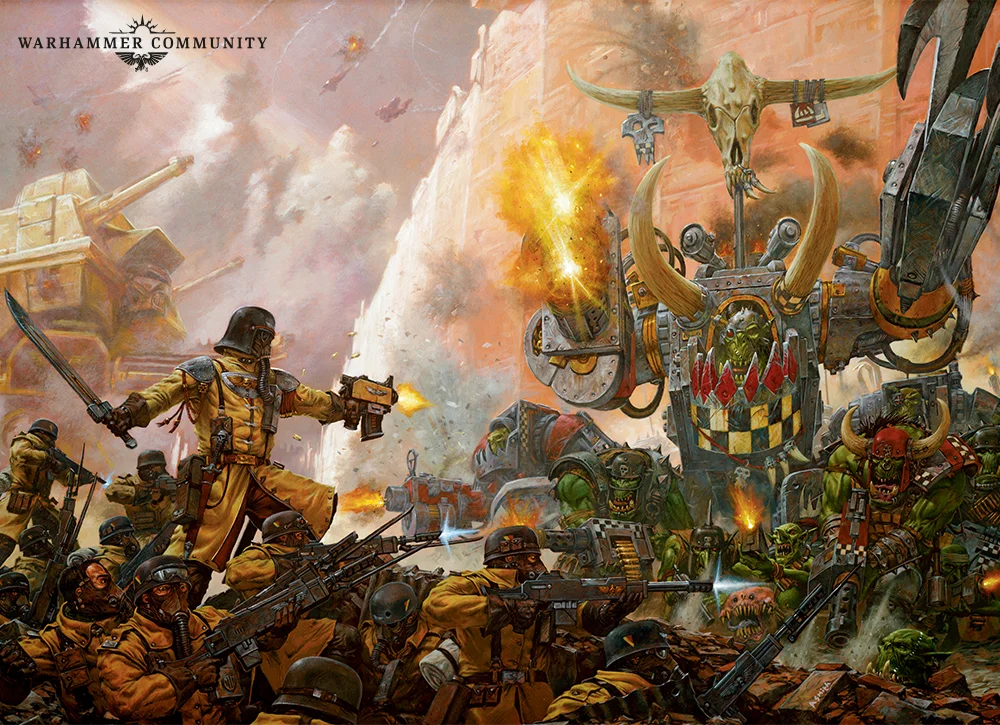
The featured Space Marine Chapters are Blood Angels, Salamanders, Crimson Fists, Ultramarines, Black Templars, and White Scars. The featured Ork Klans are Goffs, Evil Sunz, Deathskulls, Bad Moons, Snakebites, and Blood Axes. That’s six and six. Every transfer on the Chapter sheet (minus Black Templars, who get their slot in the book if not the decals) and every major clan with a paint scheme tradition. The major characters covered include Yarrick, Ghazghkull, and Marneus Calgar.
The centrepiece battle is the struggle for Hive Infernus, where combined Imperial forces face two new named warlords: Waaagh! Skumloota and Waaagh! Drekknut. Those are both new names. We don’t know anything about either of them yet beyond what’s in the book itself, which I haven’t read. Skumloota and Drekknut. Whether either of them gets a model, or whether they’re textual-only warlords like a lot of the secondary Armageddon characters from the 3rd War book, is the kind of thing the next year of releases will answer.
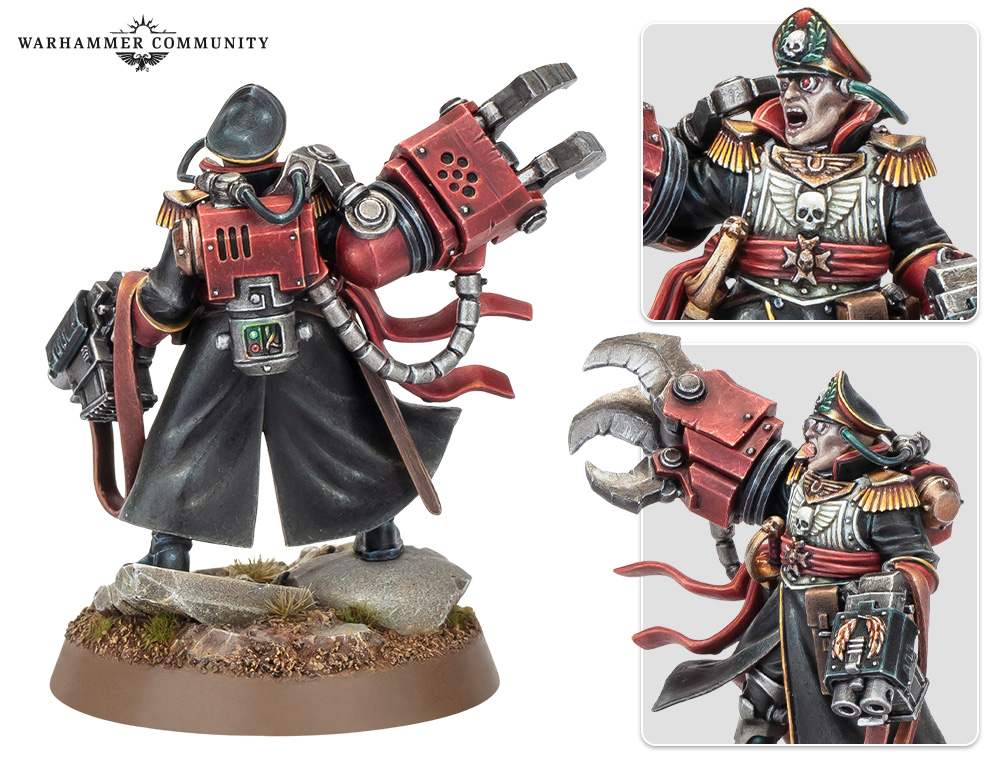
Everything in the book is explicitly lore. Maps of hive cities, new artwork, miniatures photography, narrative chapters. No detachments, no datasheets, no points values. Those live in the separate Chapter Approved 26-27 mission deck and the datasheet cards in the same box.
A 114-page named book is a real product
GW put 114 bound pages with their own title page into the launch set, sized and finished like a hardback novel. The book has its own art direction, page layout, and editorial structure separate from the rules content. It has a name. The fact that it has a name is itself a signal about how GW wants you to treat it.
A few things converge to make this make sense. The rules side keeps getting more complex. 11th edition splits the codex itself into modular detachments. The mission deck is a deck. The campaign is a deck. The datasheets are individual cards. If you bundled all of that with the lore in one tome, you’d have a 400-page brick that nobody could carry to the store. Pulling lore out into its own object is partly a recognition that these are different reading experiences. The rules want lookup-format. The lore wants long-form sit-down reading.
It’s also a recognition that lore is its own product. GW has spent the last five years trying to figure out how to monetise narrative directly: Warhammer+ animations, the novel imprint, the Astartes shorts, even the Henry Cavill Amazon project. A bound 114-page narrative book in a launch set is the analogue version of the same play, where the story is one of the things you’re paying for in the box price.
The shelf test
I have a copy of the original 3rd War Armageddon codex on my shelf. Picked it up secondhand around 2002 from a local store I won’t bother naming because the store doesn’t exist anymore. Half the pages are battle reports, photos of the Yarrick/Ghaz duel staged with the old metal miniatures (the Yarrick sculpt with the cape that always broke off at the join), maps of Helsreach and Acheron, and these gorgeous black-and-white pencil illustrations of Steel Legion squads getting overrun in trench fights. The rules sections were thin. The lore was the whole point. I read it more times than I read most novels that year, which was twenty-four years ago now, older than my kid by more than a decade. The pages are loose where the spine cracked.
The Black Library entries since then have done a similar job in a different shape. Helsreach is a Reclusiarch Grimaldus story. Sebastian Yarrick: Imperial Creed is a biography. Armageddon Saint is a long short. Each one is brilliant on its own. The campaign-book format pulls everything onto one map, one timeline, and one editorial voice. Helsreach maps to Helsreach. Acheron to Acheron. The 3rd War book had all of it on facing pages, sometimes literally.
So yeah, the format. Coming back. Twenty years late. Same week the new launch box drops. I’m hoping it’s the start of a pattern. Probably it isn’t.
What this probably sets up
Six Chapters and six Klans plus Yarrick, Ghaz, Calgar, and two brand-new named Ork warlords is a lot of pieces on one board. The shape of it suggests the spine of a multi-year campaign arc. The closest 8th edition parallel was the Vigilus / Pariah Nexus run, where GW established a flashpoint, named the factions involved, and then drip-fed campaign supplements with new units and characters tied to the same planet for 18-24 months. If Armageddon plays out the same way, the next two years of Imperial vs Ork product will all hang off this book, with Hive Infernus probably getting its own dedicated campaign supplement before AdeptiCon 2027.
Or the 11th edition launch is a one-shot and Operation Imperator is just a nice flourish to anchor the box. I’ve been wrong about GW’s product cadence before. The 9th edition Pariah Nexus run was front-loaded and then sort of fizzled. Some of the named characters introduced in that arc never got models. They’re probably still in someone’s planning doc somewhere, scheduled for 12th edition. The Armageddon roadmap could shake out either way.
The Imperator nod
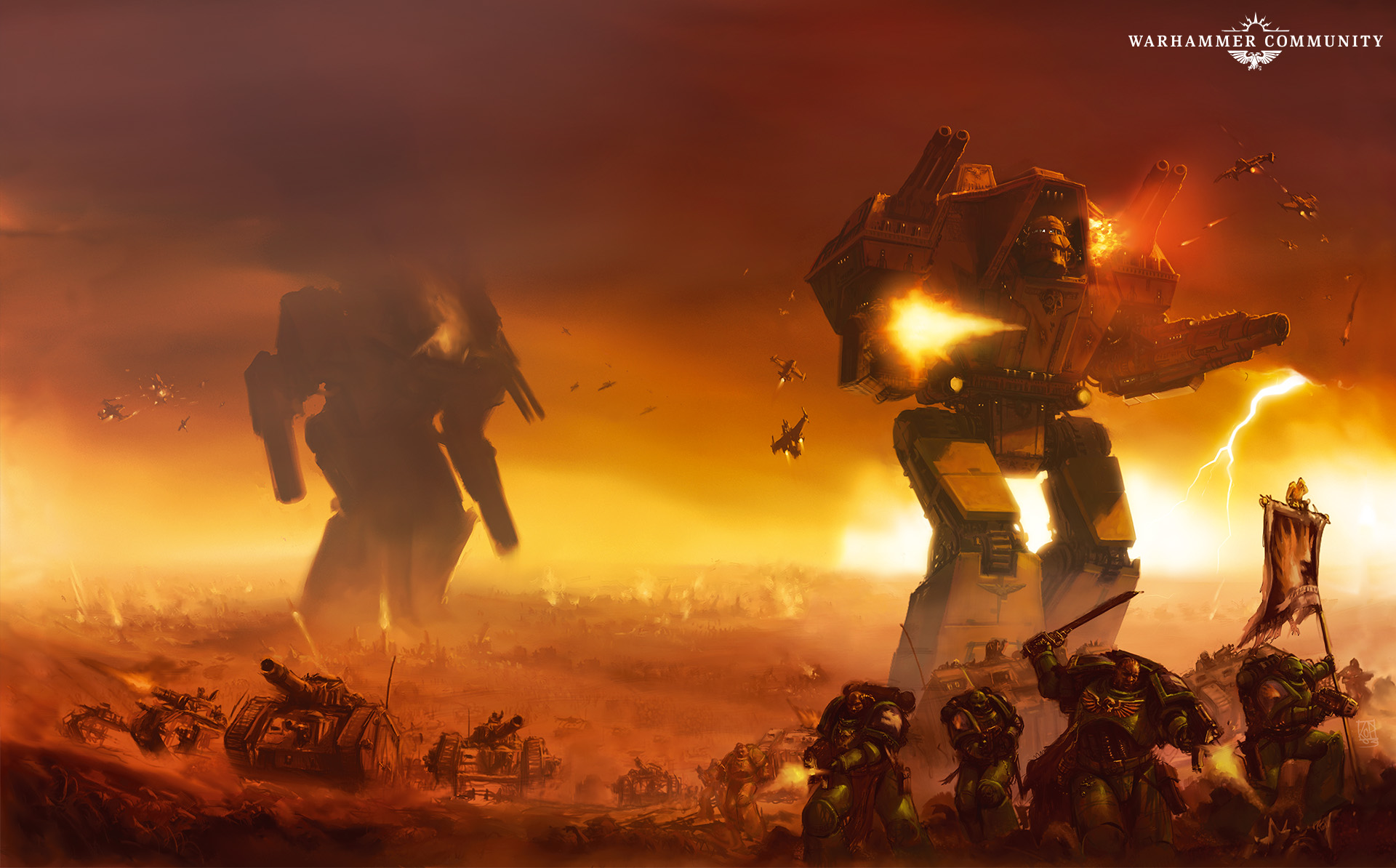
The book’s title is doing some work, too. There’s no “Operation Imperator” in the existing Third War for Armageddon lore — it’s a fresh GW name. But the choice of “Imperator” in an Armageddon context is loaded. Imperator-class Titans deployed on Armageddon in the Third War, most famously the Dies Irae and the Imperator Vindictor. They’re the largest war engines the Collegia Titanica regularly fields. Naming the new campaign after them is either a hint that god-machines will feature heavily in the unfolding story, or a piece of pure flavour that GW chose because it sounded important. Both are plausible. I’d put money on the first, given that 11th edition has been very good at re-introducing big-ticket Imperial assets that fell out of focus in 9th and 10th.
There’s also a smaller question of which Operation in the Third War this is meant to evoke. Operation Hammer was Calgar’s counterattack out of Hive Infernus in the original storyline. Operation Vise was the Steel Legion’s encirclement attempt. Operation Imperator isn’t on that list. It’s new. Which means whatever it actually refers to in the narrative is something the book itself reveals, and that’s a reasonable hook to make people open the book on day one rather than skim it for the unit photos.
What I want from a lore book in 2026
Maps that work as actual reference material. Named characters who tie to model releases (Skumloota and Drekknut had better get models within the year, or this was a tease). Hand-drawn illustration where possible. The pencil and ink artwork in the original Armageddon codex held up because it had a hand-drawn quality that GW mostly stopped commissioning around the time the digital art pipeline took over. Whether Operation Imperator commits to that aesthetic will tell me how serious GW is about the lore-book format coming back as a regular product line.
The book is exclusive to the launch set, which means if you don’t buy the box, you don’t get it. £125 for the full thing, which is a lot, and the book is one of several reasons the box is priced where it is. I haven’t decided yet whether I’m picking the box up. My pile of grey plastic is already an embarrassment, and Pete already has his Salamanders force half-assembled out of his copy, which means I’d be buying a second one for the marines I don’t really need. But I want the book.